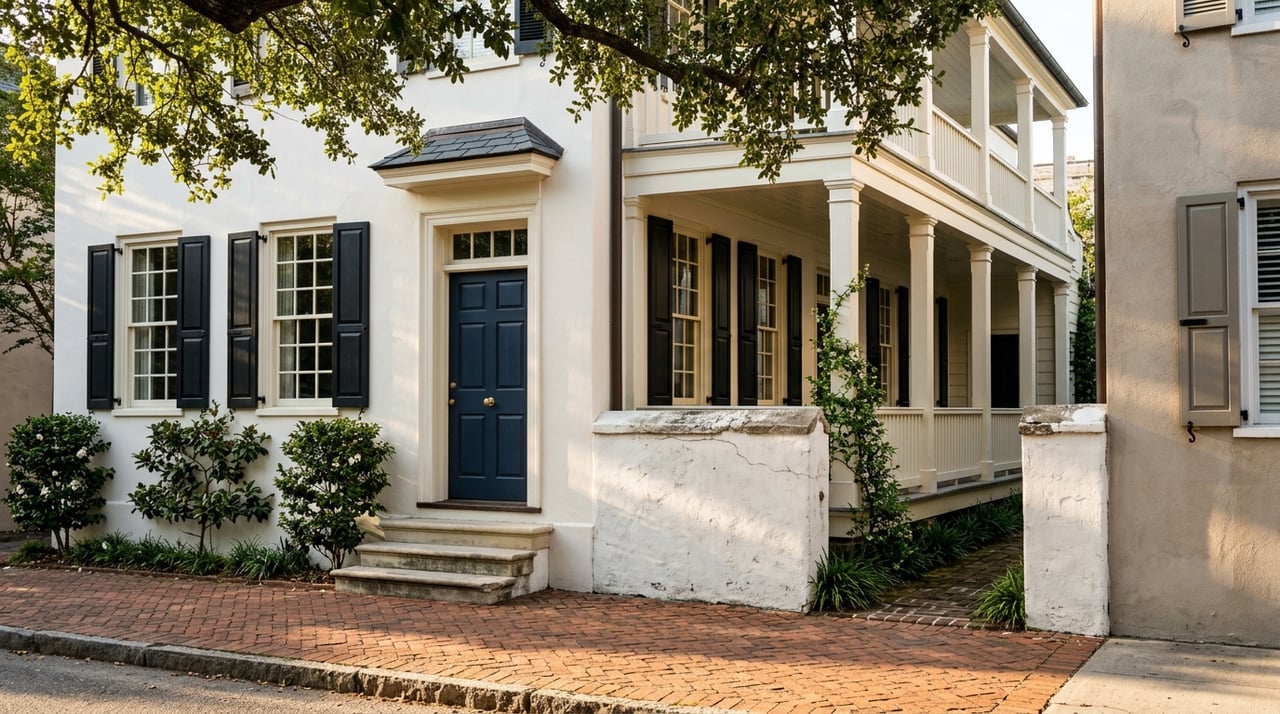
Wondering whether downtown Charleston is as livable as it is beautiful? If you are thinking about buying in 29401, it helps to know that daily life on the peninsula is not just about postcard views and historic streets. It is a real, active, mixed-use place where homes, restaurants, parks, shops, and visitors all share the same footprint. This guide will help you understand what everyday living feels like, what makes the area special, and what practical tradeoffs come with owning here. Let’s dive in.
Downtown Charleston feels lively and close-knit
Downtown Charleston sits on the peninsula where the Ashley and Cooper Rivers meet at Charleston Harbor. The city describes this area as a place where residential life, retail, tourism, and historic preservation are intended to coexist. That balance shapes the experience of living in 29401 every day.
If you move downtown, you are choosing a more urban lifestyle than you would find in many suburban parts of the region. Your errands, meals out, walks, and cultural outings can happen within a compact area. That convenience is a big part of the appeal.
The city points to areas like the French Quarter and the Battery as part of downtown’s historic identity. That means you are living in a setting with deep architectural character and a strong sense of place. For many buyers, that charm is hard to replicate anywhere else in the Lowcountry.
King Street shapes daily routines
King Street plays a major role in everyday life downtown. The city describes it as the region’s shopping and dining hub, with fashion, art, antiques, home décor, and restaurants all in the mix. If you live nearby, a casual dinner or a quick stop into a local shop can feel like part of your normal routine.
That said, living near a popular destination also means sharing space with visitors and weekend activity. Downtown is not sleepy. It is active, social, and often event-driven, which many buyers love but others may want to weigh carefully.
The city’s downtown planning work reflects that reality. It is designed to guide both business and residential growth while protecting quality of life as the area continues to evolve. In other words, downtown Charleston is being managed as a place to live, not just a place to visit.
Arts and culture are part of normal life
One thing that stands out about downtown Charleston is how close cultural experiences are to home. The city’s Office of Cultural Affairs supports programs and events such as Piccolo Spoleto, MOJA, and City Gallery at Waterfront Park. That gives the peninsula a calendar that often feels full and connected to the arts.
The Gaillard Center on Calhoun Street adds another layer to that experience. It serves as a major performing arts venue and also hosts community programs downtown. For residents, that means concerts, performances, and events can be much more accessible than they would be in a more spread-out market.
If you enjoy being able to step into an active city atmosphere, downtown Charleston delivers that in a way few South Carolina locations do. The flip side is that activity is part of the package. Quiet and convenience do not always come in equal measure here.
Getting around is easier than you might expect
Many people assume downtown living automatically means driving and parking headaches all day long. In reality, a lot of peninsula life starts with walking. Because so many destinations are close together, you may find yourself using your car less often than expected.
CARTA’s free DASH shuttle helps fill in the gaps. Its routes connect places such as the Aquarium, College of Charleston, the Visitors Center, historic King Street, Broad Street shopping, Waterfront Park, City Market, the Charleston Museum, and Upper King. For a resident, that can make dinners out, appointments, and day-to-day stops easier without committing to a full drive.
This is one of the biggest lifestyle advantages of living downtown. You can often move through your day with more flexibility and fewer long commutes. If you value walkability, 29401 stands out.
Parking still matters downtown
Even with walkability and the DASH shuttle, parking is still a real part of downtown ownership. The city notes that on-street meters operate Monday through Saturday. Residential parking permit districts also cover much of the downtown area.
There are also added restrictions in some high-traffic zones. For example, the city states that King Street between Spring and John streets restricts street parking Thursday through Saturday nights. If you live downtown, learning your block, permit rules, and nearby garage options becomes part of your routine.
This does not mean downtown is hard to navigate. It just means you should expect parking to be a practical consideration, not an afterthought. Buyers who go in with that mindset tend to adjust more smoothly.
Tides are part of peninsula living
Downtown Charleston’s geography is part of its beauty, but it also shapes daily life in practical ways. The peninsula is low-lying, so tide awareness matters. The city reports that average high tide is about 5.5 feet, while King Tide events can reach 7 feet or higher.
That kind of local context matters when you are evaluating a home, planning routines, or thinking about access during certain weather and tide conditions. It is simply part of living on the peninsula. Buyers who are relocating from inland areas may need extra guidance on this point.
The city has also taken steps to improve waterfront resilience and access. The Low Battery project added drainage improvements, a raised promenade, safer crossings, and better ADA access along the waterfront. That work reflects how seriously the city treats both livability and infrastructure downtown.
Waterfront access feels built into the day
In many cities, waterfront amenities feel like special-occasion destinations. In downtown Charleston, they can feel like part of your normal rhythm. That is one of the clearest lifestyle benefits of living in 29401.
Joe Riley Waterfront Park is centrally located near The Market and offers harbor views, walking paths, swings, lawns, and evening fountain lighting. Whether you want a morning walk or a place to unwind after dinner, it gives downtown residents an easy outdoor option close to home.
Colonial Lake is another everyday favorite. The Charleston Parks Conservancy describes it as a place for strolling, jogging, dog-walking, and fishing. For many residents, that kind of nearby open space adds balance to a denser urban setting.
The Charleston Maritime Center also gives you waterside access within walking distance of key downtown destinations. When buyers picture life on the peninsula, this is often what they are responding to. The waterfront is not just scenery. It can become part of how you actually live.
Homes here have real architectural character
Downtown Charleston’s housing stock is distinctive, and that is part of what draws buyers in. The city’s preservation materials describe the Charleston single house as a long, narrow house with a side yard and piazza. The city also documents Charleston double houses, row houses like Rainbow Row, and newer condominium and mixed-use residential development across the peninsula.
That gives buyers a wider range of options than many people expect. You may be drawn to a historic residence with defining details, or you may prefer a condo or mixed-use property that offers a different kind of downtown convenience. Either way, architecture plays a major role in the buying decision here.
For many people, this is not just about square footage. It is about owning a home with a sense of place. Downtown Charleston offers that in a very visible way.
Historic review is part of ownership
The same character that makes downtown special also comes with oversight. The Board of Architectural Review evaluates new construction, visible alterations and renovations, and certain demolitions in the historic districts. The city’s historic resources survey also helps identify peninsula structures that are meant to be preserved and reviewed carefully.
For buyers, this means it is important to understand that changes to a property may involve more review than they would in a typical suburban neighborhood. That is not necessarily a drawback, but it is an ownership reality. Preserved character and added oversight tend to go together downtown.
If you are considering a historic property, you will want to think beyond layout and finishes. You should also consider what future updates may require and how that fits your goals. A knowledgeable local guide can make that process much clearer.
Rental rules can be stricter than expected
Some buyers look at downtown Charleston and wonder whether a property could also serve as an income-producing asset. On the peninsula, it is important to understand the city’s short-term-rental rules before making that assumption. The city notes that regulations are tighter than many buyers expect, especially in the Old and Historic District.
Category 1 units are limited there, and parking requirements apply. That means a property’s location and classification matter a great deal if rental potential is part of your plan. You do not want to treat this as something to sort out after closing.
For that reason, buyers should approach downtown investment questions with local, property-specific guidance. The opportunity may still be there, but the rules need to be understood upfront.
Is downtown Charleston right for you?
Downtown Charleston is best for buyers who want a dense, historic, highly walkable urban core with real cultural energy. You may love it if you value being close to restaurants, waterfront spaces, events, and architecturally distinctive homes. You may also appreciate that many daily destinations are close together, with the free DASH shuttle helping connect the rest.
At the same time, the tradeoffs are part of the experience. Parking, tides, special-event traffic, and historic-review rules are normal parts of life on the peninsula. The key is not avoiding those realities. It is understanding them clearly before you buy.
That is where thoughtful local guidance matters. If you are comparing downtown Charleston to other Lowcountry options, or planning a move from another market, a clear understanding of the lifestyle can help you make a smarter decision with more confidence.
If you are exploring a move to downtown Charleston or preparing to buy or sell in the Lowcountry, Harcourts Carolinas offers high-touch guidance backed by local market knowledge, global marketing reach, and a personalized approach built around your goals.
FAQs
What is daily life like in downtown Charleston, SC 29401?
- Daily life in downtown Charleston feels compact, historic, and active, with homes, shops, dining, parks, and cultural venues all sharing the peninsula.
How do residents get around downtown Charleston?
- Many residents walk for daily errands and outings, and CARTA’s free DASH shuttle connects key peninsula destinations including King Street, Waterfront Park, City Market, and Upper King.
Is parking difficult in downtown Charleston?
- Parking is a regular consideration because much of downtown has metered parking, residential permit districts, and some area-specific restrictions such as nighttime limits on part of King Street.
What types of homes are common in downtown Charleston?
- Downtown Charleston includes historic housing types such as Charleston single houses, double houses, and row houses, along with newer condominium and mixed-use residential options.
Do historic rules affect downtown Charleston homes?
- Yes, in historic districts the Board of Architectural Review may review visible exterior changes, renovations, new construction, and certain demolitions.
Are waterfront spaces easy to access in downtown Charleston?
- Yes, residents can enjoy nearby outdoor spaces like Joe Riley Waterfront Park, Colonial Lake, and the Charleston Maritime Center as part of everyday life on the peninsula.
Can you use a downtown Charleston property as a short-term rental?
- Possibly, but the city’s short-term-rental rules on the peninsula are more restrictive than many buyers expect, especially in the Old and Historic District where limits and parking requirements apply.