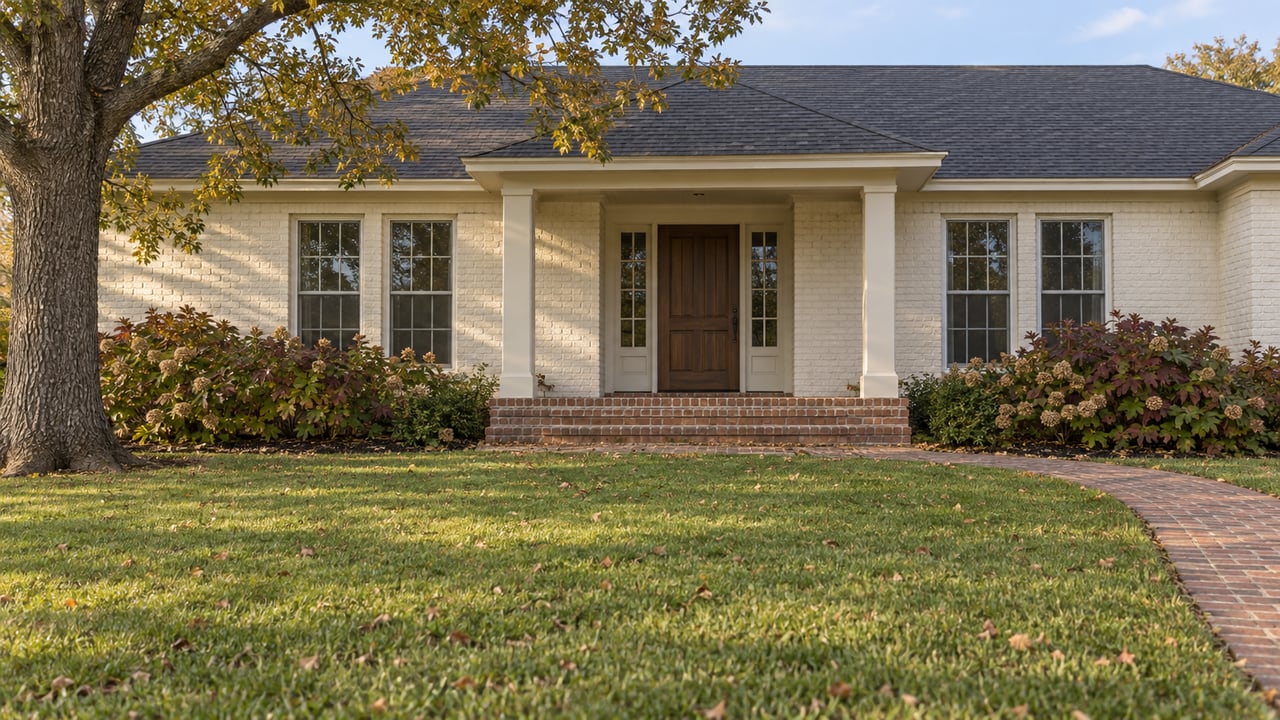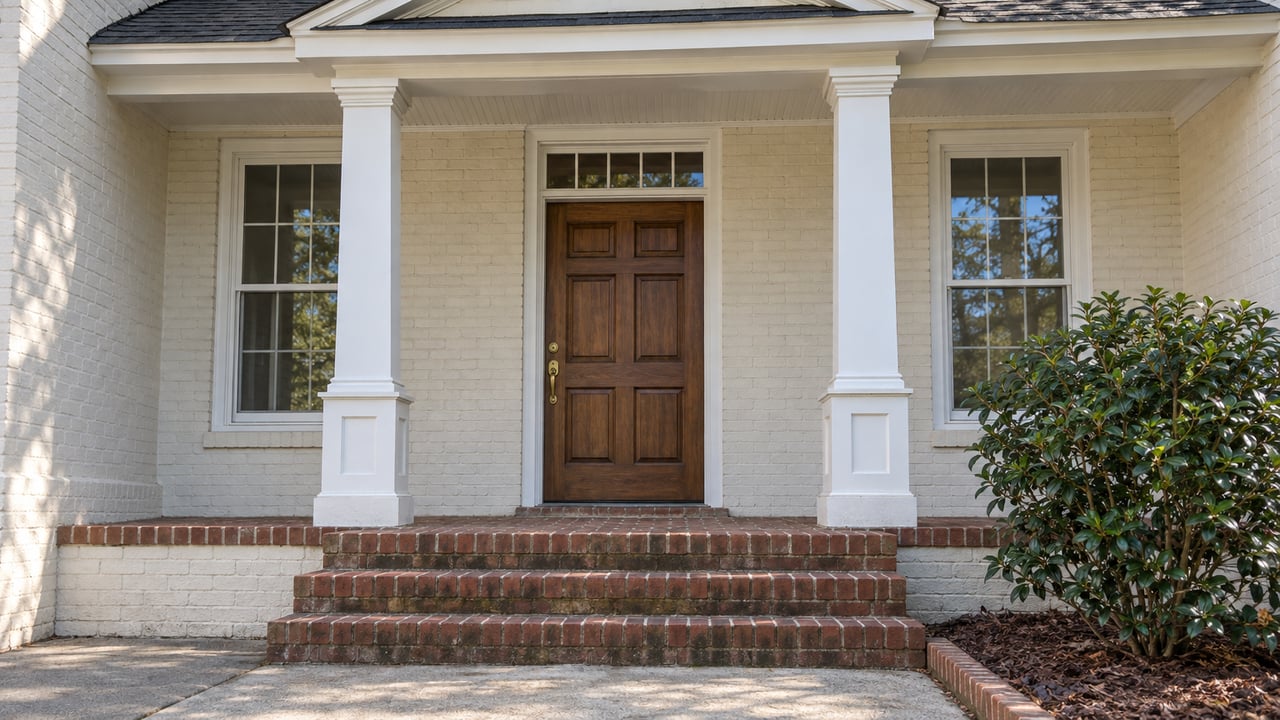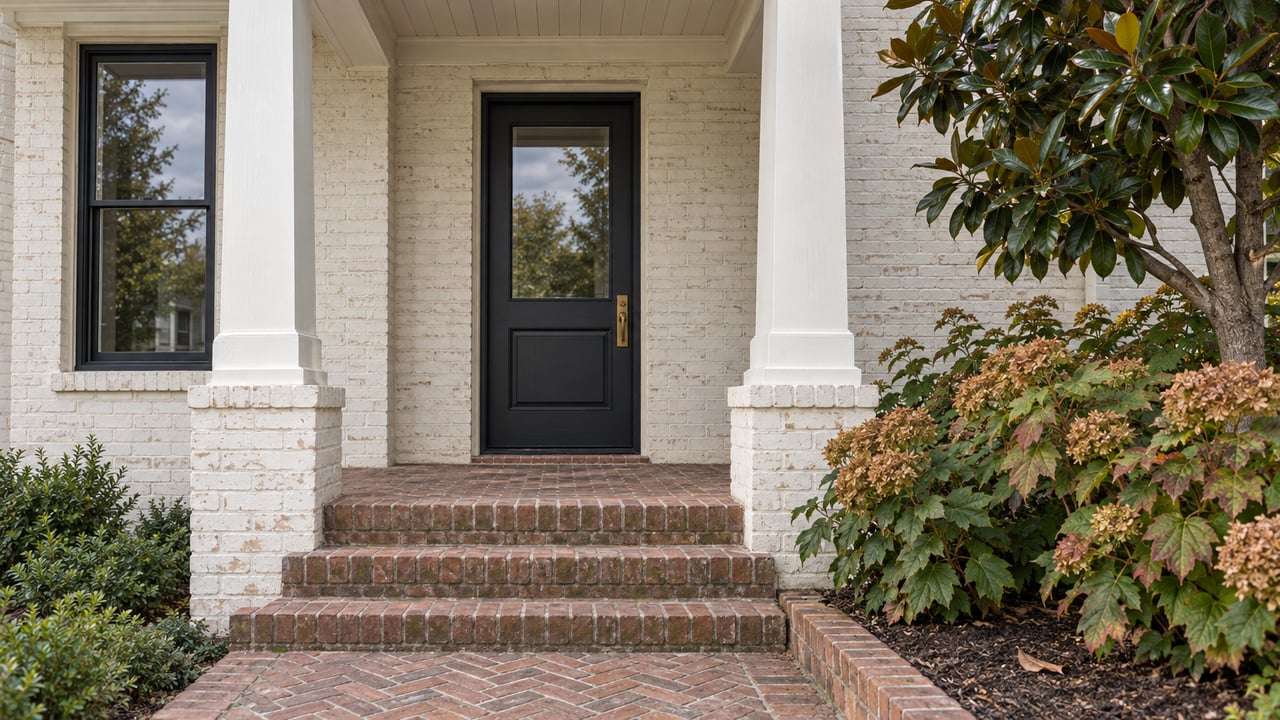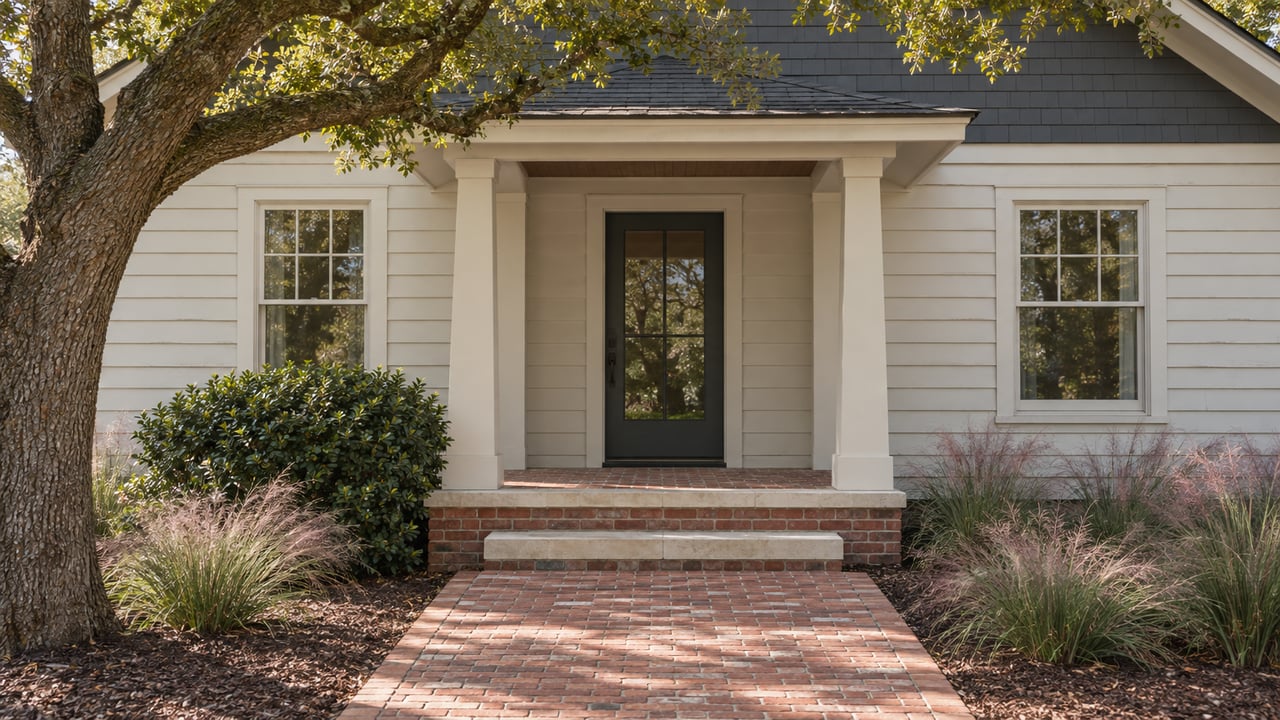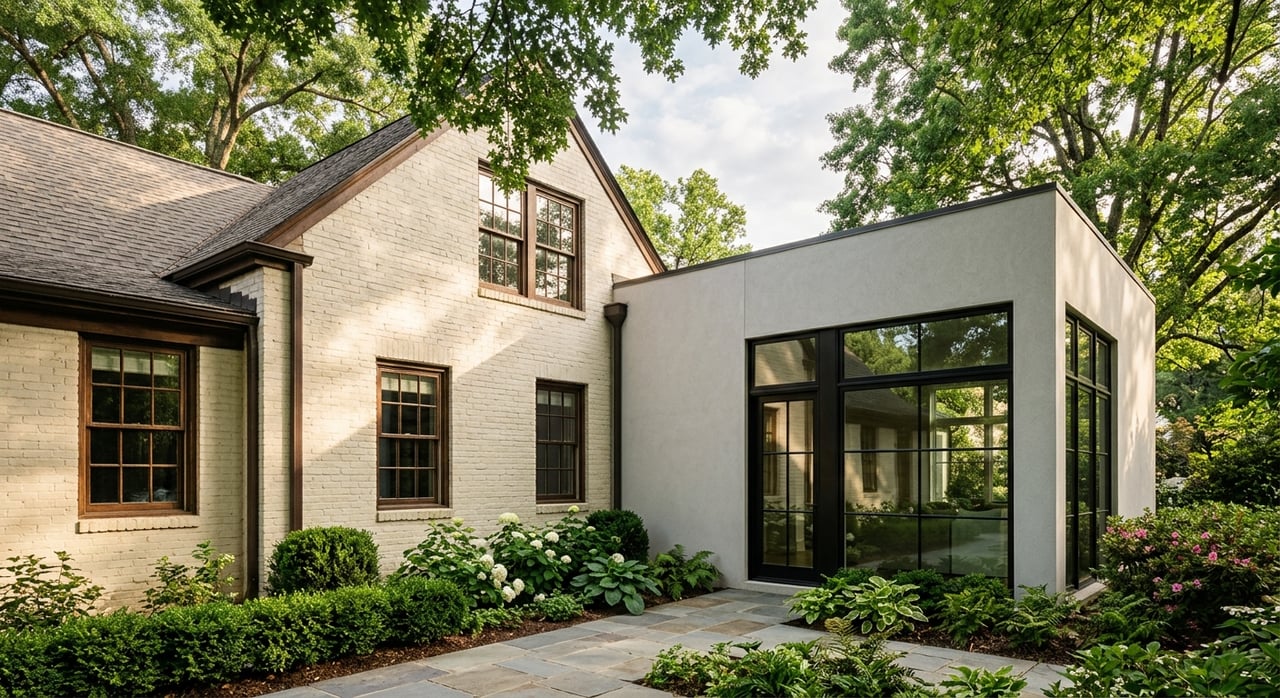
Wondering whether a historic home or a newer home makes more sense in Columbia’s 29201 area? It is a smart question, especially if you want the right mix of character, comfort, cost control, and long-term value. In Columbia’s urban core, the choice often comes down to your lifestyle, your renovation tolerance, and how much predictability you want in the first few years of ownership. Let’s break down what to know before you decide.
Historic Homes in Columbia
In Columbia, a “historic” home often means a property located within one of the city’s preservation districts or landmark areas. In these areas, exterior changes may be reviewed under the City of Columbia’s historic preservation ordinance and design guidelines.
For buyers around 29201, that can include areas such as Cottontown/Bellevue, Elmwood Park, Granby, Landmark, the University district, Old Shandon/Lower Waverly, Waverly, and West Gervais. These neighborhoods include a wide range of housing types, from late-19th-century mill village homes to early suburban homes built in the early 1900s.
That matters because buying in a historic area is not just about the age of the home. It can also affect what you may need to review or approve before making exterior changes.
What makes historic homes appealing
Historic homes often stand out for their architecture, street presence, and sense of place. Many buyers are drawn to original details, established streetscapes, and close-in access to downtown Columbia.
In 29201, that appeal is especially strong for buyers who want an in-town setting with distinctive housing styles. City materials describe these neighborhoods as places shaped by Columbia’s growth over time, from turn-of-the-century bungalows to older homes tied to the city’s early suburban and mill-village development.
What to expect with historic ownership
The biggest tradeoff with a historic home is usually maintenance. Older homes often require more proactive planning for roofs, windows, masonry, HVAC systems, and moisture management.
The City’s preservation resources recommend a maintenance plan to catch issues early and avoid more expensive repairs later. If you are considering a historic property, it is wise to focus not only on charm, but also on deferred maintenance and the likely cost of first-year and first-five-year projects.
Newer Homes in Columbia’s Urban Core
In and around downtown Columbia, “new” does not always mean a large new subdivision. More often, it means newer infill homes, redevelopment projects, conversions, or adaptive reuse in the urban core.
That distinction is important in 29201. The city’s downtown overlay and guidelines are built to manage both preservation and new development, including new construction and adaptive reuse.
Why buyers choose newer homes
Newer homes often appeal to buyers who want updated systems and a more predictable ownership experience. In many cases, they start with modern construction methods, tighter building envelopes, and more current efficiency standards.
For you, that can mean fewer immediate projects after move-in and more confidence around comfort and monthly utility costs. Still, it is important to verify the specific features of a home rather than assume every newer property is equally efficient.
What “lower maintenance” really means
A newer home can reduce the list of early repairs, but it does not remove the need for due diligence. You still want to confirm system age, insulation, HVAC performance, and overall construction quality.
The advantage is usually timing. Compared with many older homes, newer properties often require fewer near-term replacements and less immediate envelope work in the first few years.
Maintenance and Energy Efficiency
For many buyers, this is the section that decides it.
Historic homes can absolutely be improved for comfort and efficiency, but the process usually takes more planning. The City of Columbia recommends strategies such as energy audits, air sealing, weatherstripping, attic insulation, HVAC tune-ups, and repairing historic windows when possible.
Older homes often have less insulation than homes built today. That can affect both comfort and utility costs, especially if improvements have been delayed.
Newer homes usually begin with a built-in edge here. They are more likely to have modern systems and better energy performance from day one, although the exact result depends on how the home was built and what standards it meets.
A practical way to compare the two
If you are comparing a historic home and a newer home in Columbia, ask yourself these questions:
- How much immediate repair work am I comfortable taking on?
- Do I value original character more than move-in simplicity?
- How important are lower utility surprises in the first few years?
- Am I prepared for review requirements if the home is in a preservation district?
Those answers usually reveal which path fits your goals best.
Taxes and Incentives to Know
When buyers compare total ownership cost, property taxes can matter just as much as maintenance.
In Richland County, qualifying owner-occupied legal residences receive a reduced assessment ratio from 6% to 4%. The county also states that qualifying owner-occupied residential properties are exempt from school operating millage and receive a school-tax credit on school operating taxes.
That means your tax classification can have a real impact whether the home is historic or new. Before you buy, it is worth confirming how the property is classified and whether you will qualify for legal-residence treatment.
Historic incentive potential
Some historic properties may also qualify for the Bailey Bill. The City of Columbia states that under this program, a qualifying historic property’s assessed value may remain at the same amount for 20 years if the owner meets the investment requirement and the project is reviewed before work begins.
That can create a meaningful financial benefit for buyers planning a rehabilitation project. At the same time, it also adds another layer of planning, since eligibility and timing matter.
Value and Resale in Columbia
A common concern is whether an older home will hold value as well as a newer one. In Columbia, the local data points to a more balanced story.
A City-commissioned PlaceEconomics report found that properties in Architectural Conservation Districts were valued higher on average than properties in the rest of Columbia. The same report found that Protection Areas were lower on average, but still showed faster growth than the rest of the city during the study period.
The report also found that between 2014 and 2022, single-family homes that used the Bailey Bill saw values rise 78%, compared with 30% for single-family homes that did not use the bill. That does not mean every historic home will outperform every newer home, but it does show that preservation areas in Columbia have documented value support.
Condition still matters most
No matter the age of the home, property-specific condition still matters. A poorly maintained historic home and a well-built newer home can create very different ownership experiences.
That is why a smart comparison looks at both the district and the house itself. Location, upkeep, systems, and future repair needs all shape resale potential.
Lifestyle Fit in 29201
The right home is not just a numbers decision. It is also about how you want to live.
Historic homes in Columbia’s in-town neighborhoods often fit buyers who want architecture, mature surroundings, older street grids, and close access to downtown institutions. Newer homes often fit buyers who want more streamlined living, modern layouts, and fewer short-term projects.
Neither choice is automatically better. The better option is the one that lines up with your priorities, budget, and comfort level.
School zoning is address-specific
If school assignment is part of your search, do not assume based on neighborhood alone. Richland One states that school attendance is determined by address, and its School Zone Locator can be used to verify the assigned schools for a specific property.
That makes address-level verification essential before you make a decision. It is one more reason to evaluate each home individually rather than rely on broad assumptions.
How to Decide Between Historic and New
If you want a simple framework, start here.
Choose a historic home if you are excited by character, comfortable with maintenance planning, and open to review requirements that may come with a preservation district. This path often works well for buyers who see long-term value in place, architecture, and distinctive in-town living.
Choose a newer home if you want updated systems, more predictable energy performance, and a cleaner first few years of ownership. This path often suits buyers who value convenience, fewer surprises, and a more turnkey move.
Before you move forward with either option, verify three basics:
- Whether the home is in a preservation or overlay district
- The property’s tax status and legal-residence eligibility
- The exact school assignment for the address
If you are weighing historic charm against newer-home convenience in Columbia, the best move is to compare the details, not just the listing photos. The right guidance can help you look past surface appeal and focus on ownership costs, resale potential, and fit for your day-to-day life. When you are ready to explore your options in 29201, connect with Harcourts Carolinas for a consultation tailored to your goals.
FAQs
What counts as a historic home in Columbia, SC?
- In Columbia, a historic home often means a property located in one of the city’s preservation districts or landmark areas, where exterior changes may be reviewed under local preservation rules.
Are historic homes in Columbia harder to maintain?
- Historic homes often require more proactive maintenance, especially for roofs, windows, masonry, HVAC, and moisture management.
Do newer homes in Columbia have better energy efficiency?
- Newer homes often have an advantage because they are more likely to include modern systems, tighter envelopes, and more current efficiency standards, but buyers should still verify the features of each property.
Can historic homes in Columbia qualify for tax incentives?
- Some qualifying historic properties may be eligible for the Bailey Bill, which may allow the assessed value to remain at the same amount for 20 years if program requirements are met before work begins.
How do I verify school zoning for a home in 29201?
- Richland One says school assignment is address-specific, so you should verify the exact zoning for any property you are considering.
Is a historic or newer home better for resale in Columbia?
- Resale depends on the specific property, but local data shows that Columbia preservation areas have documented value support, while condition, upkeep, and location still play a major role.