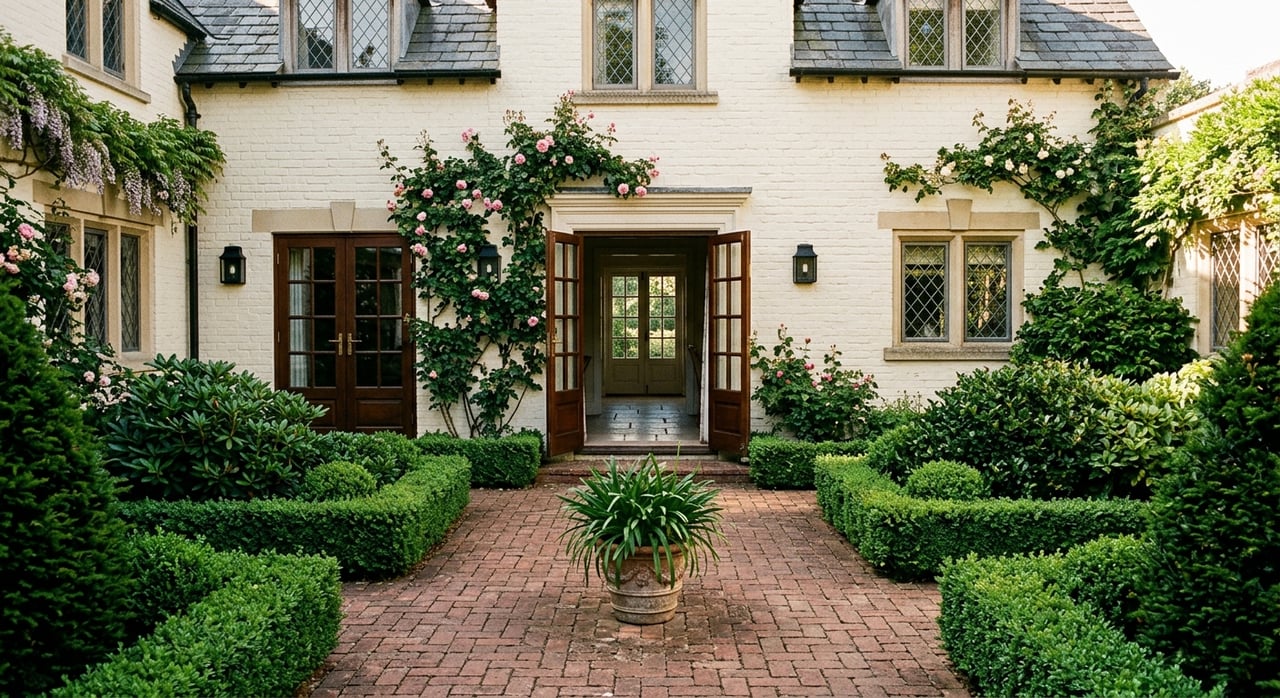
If your Charleston luxury home is hard to price, costly to carry, or tied to a firm timeline, a traditional listing is not your only option. In 29401, where historic homes, distinctive architecture, and premium locations can make pricing less straightforward, auction can offer a clearer path. You can use it to create urgency, encourage real competition, and work toward a defined sale date. Let’s dive in.
Why auction can make sense in 29401
Charleston’s 29401 market is not a one-size-fits-all luxury market. It includes high-value areas on the peninsula where historic review, flood considerations, and unique property features can affect how buyers respond. That matters because the more distinctive your home is, the harder it can be to rely on standard comparable sales alone.
Recent market data also shows why pricing strategy deserves extra care. Realtor.com reported a median listing price of $2.285 million in 29401, a median sold price of $2.0 million, 42 median days on market, and a 93% sale-to-list ratio as of spring 2026. In simple terms, many homes were selling below asking, which suggests that getting the initial pricing strategy right is especially important.
In premium areas like South of Broad, Ansonborough, and Downtown Charleston, median listing prices ranged from $1.75 million to $2.92 million. At the same time, other Charleston-area reports showed how quickly medians can shift based on property type and small sample sizes. For you as a seller, that means a custom home, historic residence, or one-of-one luxury property may benefit from a strategy built around price discovery instead of guesswork.
What makes a luxury home a strong auction candidate
A useful rule of thumb is simple: auction is worth serious consideration when the market, seller situation, and property lean in that direction. If at least two of those factors point toward speed, transparency, and competition, auction may be a strong fit.
Unique property features
Luxury homes often fit auction best when they are difficult to compare. In Charleston, that can include architecturally distinctive residences, historically significant homes, waterfront-adjacent properties, or homes with features that do not line up neatly with recent sales.
That challenge can be even sharper in 29401 because visible exterior changes and many renovations in historic districts may be subject to review by the City of Charleston’s Board of Architectural Review. For some buyers, that is part of the appeal. For others, it introduces extra questions, which can narrow the buyer pool and make conventional pricing less precise.
Auction can work well when your home has strong appeal but not an obvious list price. It is especially relevant when the property is unique, difficult to appraise, vacant, or expensive to hold. In those situations, a competitive bidding process can help the market speak more clearly.
Seller situations with a firm timeline
Sometimes the home is only part of the story. Seller motivation also matters, especially when your goals are centered on timing and certainty.
Auction may deserve a closer look if you are dealing with:
- Estate liquidation
- Retirement planning
- Relocation out of state
- A recently purchased replacement home
- Partnership or marriage changes
- High carrying costs on a vacant or lightly used property
For many Charleston sellers, that could mean a second home on the peninsula, an inherited property, or a residence you want sold before your next move is finalized. If your priority is a defined timeline instead of an open-ended listing period, auction can align well with that goal.
When auction may be the wrong tool
Auction is not automatically the best answer for every luxury property. If your home appeals to a very narrow audience and there is not enough buyer depth, a traditional listing may still offer a better path.
The same is true when there are unresolved title issues, major repair uncertainty, or other questions that could reduce bidding confidence. In those cases, a more conventional launch with room for staged negotiation may better protect your outcome. The right strategy depends on your property, your timeline, and current buyer demand.
Auction is not the same as a distressed sale
One of the biggest myths in luxury real estate is that auction means a fire sale. That is outdated.
Most modern real estate auctions are non-distressed. They are used as an accelerated, competitive marketing method, and they can be effective for everything from everyday homes to luxury properties. For sellers in Charleston, the better way to think about auction is as a transparent price-discovery tool.
That distinction matters. You are not choosing auction because a home is unwanted. You may be choosing it because your property is special enough, and your timing is important enough, that a concentrated marketing window and competitive bidding environment make strategic sense.
How the luxury auction process works
While every sale has its own details, the overall process is straightforward. The goal is to do the heavy lifting before bidding begins so buyers can act with confidence.
Step 1: Prepare the property and disclosures
The process usually starts with assembling the information buyers need to evaluate the home. That can include disclosures, title information, property condition details, and the auction terms.
Because auctions move on a set timeline, due diligence is often front-loaded. Buyers are encouraged to review the property, title status, liens, condition, and terms before bidding, not after. That structure can reduce surprises late in the transaction.
Step 2: Set the auction terms
Not all auctions work the same way. Two common formats are reserve and absolute auctions.
| Auction type | What it means for you |
|---|---|
| Reserve auction | You set a minimum acceptable price, and bids below that amount do not have to be accepted. |
| Absolute auction | The home sells to the highest bidder regardless of price. |
For many luxury sellers, reserve terms offer an extra layer of protection. The best format depends on your goals, risk tolerance, and buyer interest.
Step 3: Market aggressively
A successful auction is still a marketing campaign. The difference is that it is designed to focus attention into a shorter, high-impact window.
That can be especially useful for a Charleston luxury property with broad appeal beyond the immediate neighborhood. A well-positioned home may draw interest from local buyers, second-home shoppers, relocators, and out-of-market luxury purchasers.
Step 4: Run the bidding event
The bidding event may take place in person or online, depending on the format. Buyers typically need to show proof of funds or pre-approval before participating.
Many auction properties are sold as-is, and inspections may be limited or completed before the auction date. That is why clear preparation up front is so important for both sides.
Step 5: Move to closing
Once the bidding ends and terms are met, the transaction moves toward closing on the timetable laid out in the auction terms. Compared with a traditional listing, that timeline is often more defined from the start.
For sellers who value certainty, this can be one of the biggest advantages. You know the marketing window, you know the event date, and you have a clearer path to the next step.
South Carolina rules matter
In South Carolina, real estate auctions are regulated. State law generally requires the proper licensing to sell or offer real estate at auction, and auctioneer rules require written owner agreements plus trust or escrow handling of proceeds within three business days.
The South Carolina Department of Labor, Licensing and Regulation also notes that licensed real estate broker-in-charge firms may be exempt from auction firm licensure if they use a licensed auctioneer for the auction-specific parts of the transaction. For you, the practical takeaway is simple: this is a process that should be handled by professionals who understand both real estate and auction compliance.
Why Harcourts Carolinas fits this strategy
At Harcourts Carolinas, we view auction as an alternative strategy, not a replacement for traditional brokerage. That means you can evaluate it in the context of your property, your timing, and your financial goals rather than forcing a one-track approach.
That matters in Charleston’s luxury market. Some 29401 homes are best served by a conventional listing. Others, especially premium or time-sensitive assets, may benefit from a structured auction campaign built around visibility, competition, and a defined sale date.
Our brand combines local guidance with the broader Harcourts marketing and auction platform. Harcourts also positions its luxury reach around an international network of specialists and buyers, which can be relevant for Charleston homes that may attract interest from outside the immediate market.
The key is fit. Auction is most appropriate when the seller, property, and market all favor speed, transparency, and competitive price discovery rather than a long traditional listing cycle.
If you are weighing whether your Charleston luxury home belongs on the open market or in an auction campaign, the right first step is a clear, property-specific strategy conversation. Connect with Harcourts Carolinas to request a home valuation or schedule a consultation.
FAQs
Is a Charleston luxury home auction only for distressed properties?
- No. Modern real estate auctions are often non-distressed and can be used for luxury homes when the seller wants speed, transparency, and competitive price discovery.
What types of luxury homes in Charleston 29401 fit auction best?
- Homes that are unique, difficult to appraise, architecturally distinctive, historically important, waterfront-adjacent, vacant, or expensive to carry may be strong candidates.
How does a reserve auction work for a Charleston seller?
- In a reserve auction, you set a minimum acceptable price and do not have to accept bids below that amount.
Why can pricing a luxury home in Charleston 29401 be difficult?
- Pricing can be harder because 29401 includes small, premium submarkets with distinctive homes, varying property types, and conditions like historic review and flood-related considerations that affect buyer demand.
What should buyers review before bidding on a Charleston auction property?
- Buyers should review the title status, liens, property condition, and auction terms before bidding because due diligence is usually completed in advance.
When is a traditional listing better than auction for a Charleston luxury home?
- A traditional listing may be better if the home has unresolved title issues, major repair uncertainty, or too little buyer depth to support a competitive bidding event.