If you own a historic home in Camden, you are not just selling square footage. You are selling architecture, craftsmanship, and a story that can appeal to a very specific buyer. The challenge is that historic homes need a different approach than newer properties, especially in a place like Camden where preservation standards, local history, and buyer expectations all matter. This guide will walk you through how to prepare, price, and market your Camden historic home the right way. Let’s dive in.
Why Camden Historic Homes Stand Out
Camden has a distinct identity that shapes how buyers see older homes. The city is described as the oldest inland city in South Carolina, and its historic district is listed in the National Register, with homes reflecting styles such as Federal, Classical Revival, Georgian, cottage-type, Charleston-type, and mansion-type architecture. You can see that history in the streetscape, building details, and the overall character of the area.
That setting matters when you sell. Camden’s downtown is also a South Carolina Cultural District, with galleries, artist studios, antique shops, public art, historic landmarks, and restaurants. For many buyers, a historic Camden home is not just a house. It is a lifestyle tied to place, design, and local heritage.
Know What Historic Status Means
One of the first things buyers and sellers want to know is whether historic status limits what can happen with the property. According to the National Park Service, National Register listing by itself does not prevent a private owner from selling or altering a property unless federal funding, permits, or licensing are involved. That can help clear up a common misunderstanding early.
Still, local rules may apply, and that is where Camden sellers need to pay close attention. The Camden Historic Landmarks Commission reviews certain changes to locally designated historic properties, including exterior alterations, demolition, and new construction. If your home is in a local historic district, buyers should understand that some exterior work may be subject to review.
Review Approvals Before Listing
Before your home goes on the market, gather any records tied to past improvements or preservation approvals. Camden’s process is approval-based, so paperwork can add clarity and confidence for buyers. If you have Historic Landmarks Commission approvals, Bailey Bill records, or tax-credit certifications, those documents should be organized before showings begin.
Camden also offers a Bailey Bill special assessment program for qualifying rehabilitation work. The city states that approved work can lock in the value of the structure for 15 years, but the work must meet the program rules and be approved before work begins. If your home already has Bailey Bill status or related documentation, that is an important detail to present accurately.
Build a Strong History Packet
Historic-home buyers often want more than a standard seller disclosure. They want to know the home’s background, what has been preserved, and what has changed over time. A strong listing packet can help answer those questions in a factual, organized way.
Camden Archives and Museum staff can help with research into old deeds, historical records, and maps, and the archives maintain files on historic homes and buildings. The state also provides the SC Historic Properties Record as a searchable source for survey and National Register records. Together, those resources can help you move from family lore to verified history.
Your packet may include:
- Construction era if documented
- Architectural style
- Prior survey records
- Old photographs
- Renovation dates
- Approval records for exterior work
- Bailey Bill or tax incentive documentation, if applicable
Focus on Character-Defining Features
When you prepare a historic Camden home for sale, not every update adds value. In many cases, the features that matter most are the original ones that give the home its identity. That is why pre-listing planning should start with preservation, not quick cosmetic replacement.
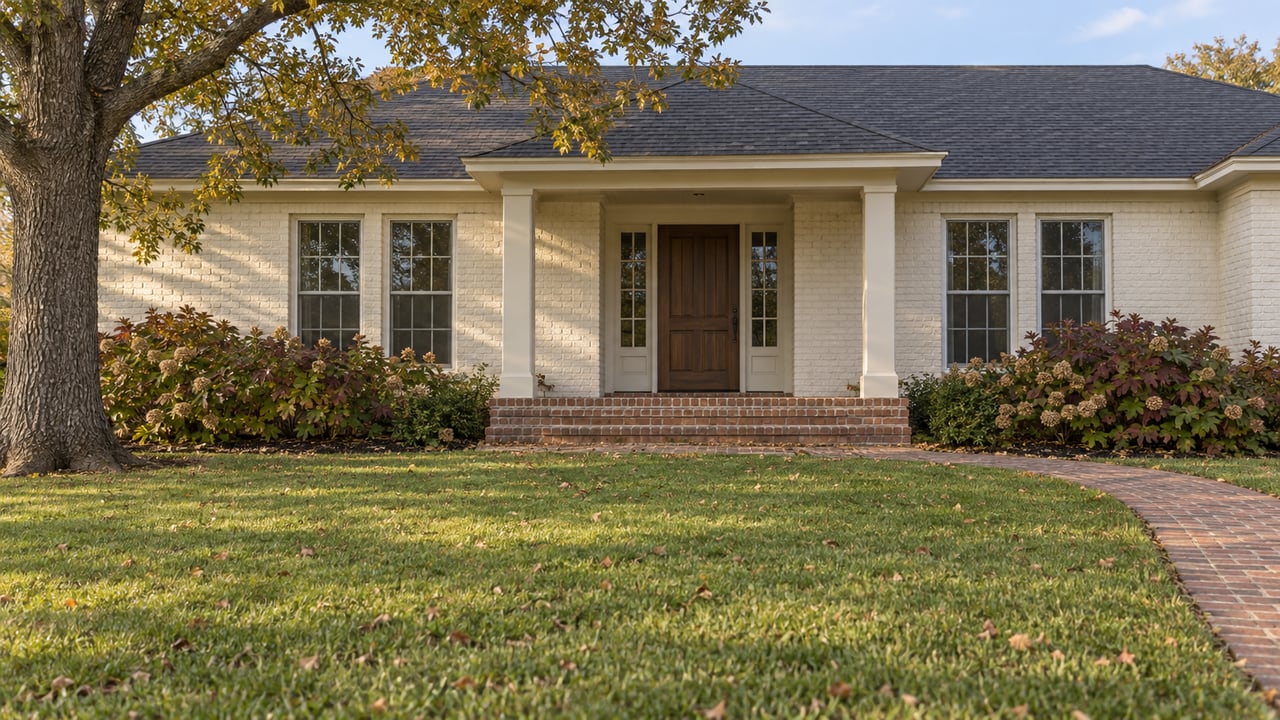
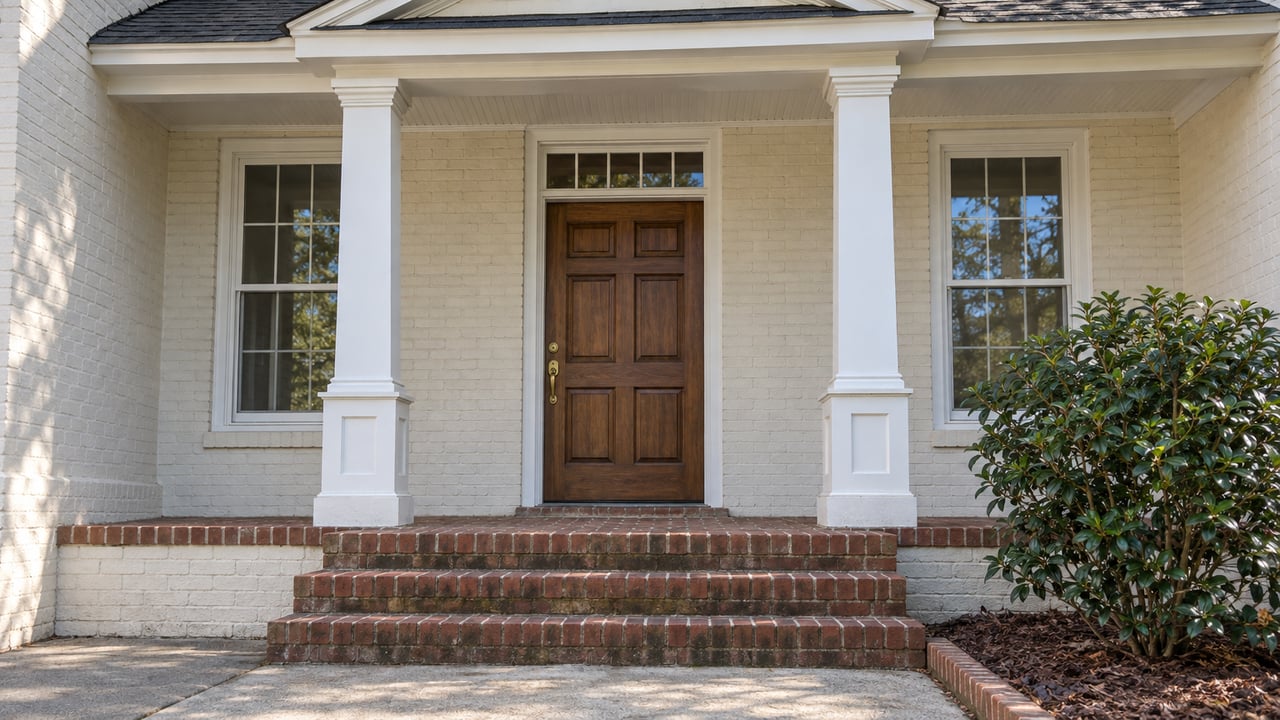
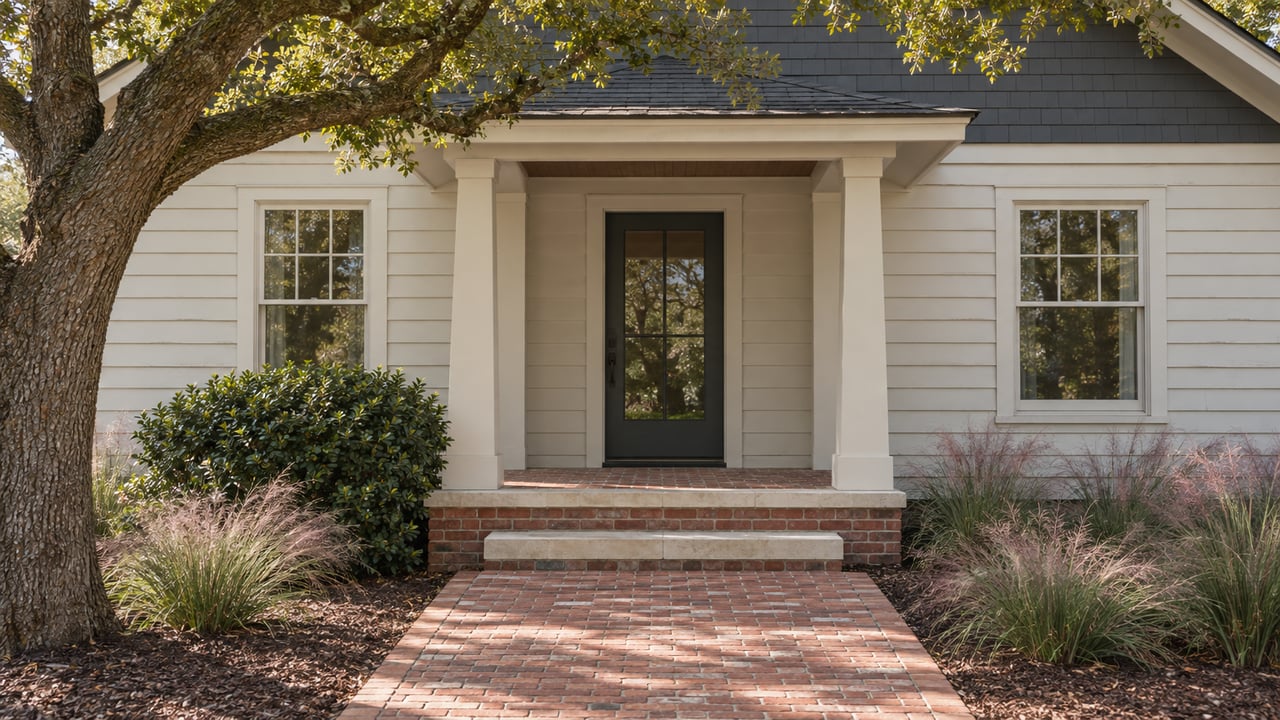
Camden’s Design Guidelines identify porches as a defining part of Camden residential architecture. Broad, open porches and verandas are described as distinctive, and enclosing a porch with opaque materials is considered inappropriate. If your home has an original porch, preserving and presenting it well can be far more valuable than making it look newer.
Windows are another major feature. Camden’s guidelines say the historic ratio of window openings to solid wall should be preserved on primary facades, and replacement windows should match the original design and material where needed. The National Park Service guidance on historic windows also emphasizes repair whenever possible, especially on street-facing elevations.
Be Careful With Pre-Listing Repairs
It is tempting to over-improve a historic home before it hits the market. In reality, the wrong repairs can weaken the home’s architectural integrity and make it less appealing to preservation-minded buyers. That is especially true if work changes the facade, covers historic foundations, or adds materials that do not fit the original structure.
Camden’s guidelines caution against oversized additions that compete with the primary facade. They also note that additions should be subordinate, modest, and set back. If you are considering exterior repairs or updates before listing, using qualified design or preservation professionals can help you avoid costly mistakes.
A good rule of thumb is simple: repair original features when possible, and avoid replacing them just to make the home feel more modern. Buyers who want a historic Camden home are often looking for authenticity, not a generic renovation.
Price for Condition and Integrity
Historic designation alone does not set value. A Camden home’s price should reflect its location, condition, architectural integrity, and the quality of any improvements. Two homes may both have historic relevance, but if one has preserved original windows, porch details, and compatible additions while the other has lost those elements, buyers may see them very differently.
That is why pricing should be based on what the home offers today, not just the fact that it is old or locally recognized. The preservation guidance from Camden and the National Park Service repeatedly points back to the value of original materials and character-defining features. In practical terms, buyers tend to pay for authenticity they can see and trust.
Market to the Right Buyer
Selling a historic Camden home is not about casting the widest possible net with generic messaging. It is about connecting with buyers who value architecture, history, and a sense of place. The strongest audience is often the buyer who appreciates stewardship and understands that older homes come with both charm and responsibility.
Your marketing should lead with verifiable facts. That may include the home’s documented era, architectural style, district status, and archival background. The National Register information for Camden’s historic district can support credible storytelling that feels grounded instead of promotional.
It also helps to highlight the details buyers can experience right away, such as:
- Porch depth and openness
- Window patterns on the main facade
- Original trim, masonry, or woodwork
- Staircases and fireplaces
- How the house sits on the street
Those details are not minor. They are often the exact elements that make a historic home memorable.
Sell the Camden Lifestyle Too
The home matters, but so does the setting around it. Camden’s appeal is closely tied to its history, arts presence, and community identity. When your marketing connects the property to that broader context, buyers can picture what living there might feel like.
Camden’s Cultural District includes galleries, artist studios, antique shops, public art, historic landmarks, and restaurants. Local tourism and chamber messaging also highlight Camden and Kershaw County through history, horses, and hospitality. Those are not generic amenities. They are part of what gives this market its own voice.
For the right buyer, that story can be a meaningful part of the sale. A historic home in Camden may appeal to someone looking for architectural character, a connection to the past, and a downtown environment shaped by culture and tradition.
Be Transparent From Day One
Clarity builds trust in any sale, but it matters even more with historic properties. Buyers should know whether the home is in a local historic district, whether exterior work may need review, and whether any incentive program or prior approval applies to the property. Transparency helps reduce confusion and keeps the transaction moving.
This is also where thoughtful seller guidance matters. Historic homes often require a more detailed strategy around preparation, buyer education, and pricing. At Harcourts Carolinas, we help sellers position distinctive homes with the care, market insight, and tailored strategy they deserve.
FAQs
Does National Register status restrict the sale of a Camden historic home?
- No. According to the National Park Service, National Register listing alone does not stop a private owner from selling or altering a property, though local rules may still apply.
Do Camden historic homes need approval for exterior changes?
- If the property is in a local historic district or is otherwise locally designated, exterior alterations, demolition, and some new construction may be reviewed by the Historic Landmarks Commission.
Should you replace old windows before listing a historic Camden home?
- Usually not unless repair is not possible. Camden guidelines and National Park Service guidance both favor repairing and preserving historic windows, especially on primary facades.
Should you enclose a porch before selling a Camden historic home?
- In most cases, no. Camden’s design guidelines identify open porches and verandas as defining architectural features and consider opaque enclosure inappropriate.
Can a Camden historic home qualify for preservation incentives?
- Possibly. Camden’s Bailey Bill program and state or federal historic tax incentive programs may apply in some cases, but eligibility depends on the property and the work, so details should be verified with the city, SCDAH, and tax professionals.
What documents help sell a historic home in Camden, SC?
- A strong file may include old deeds, survey records, photographs, renovation dates, architectural information, approval records, and any Bailey Bill or preservation-related documentation.