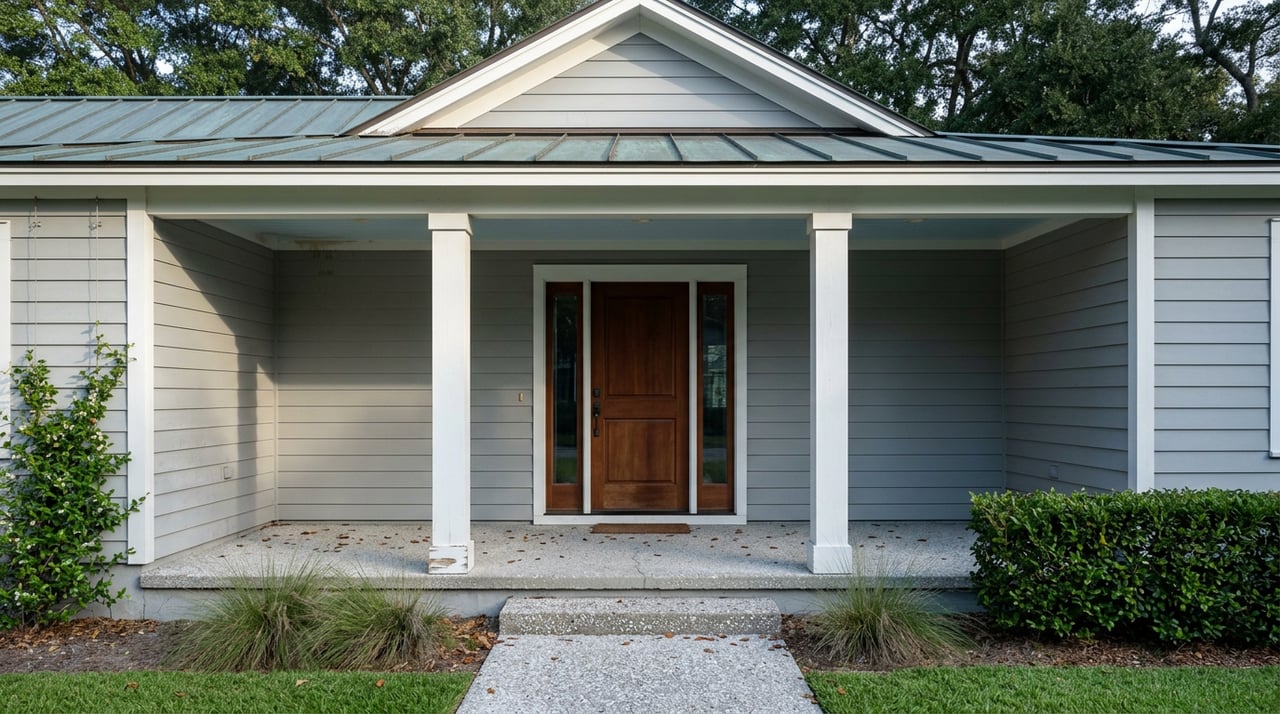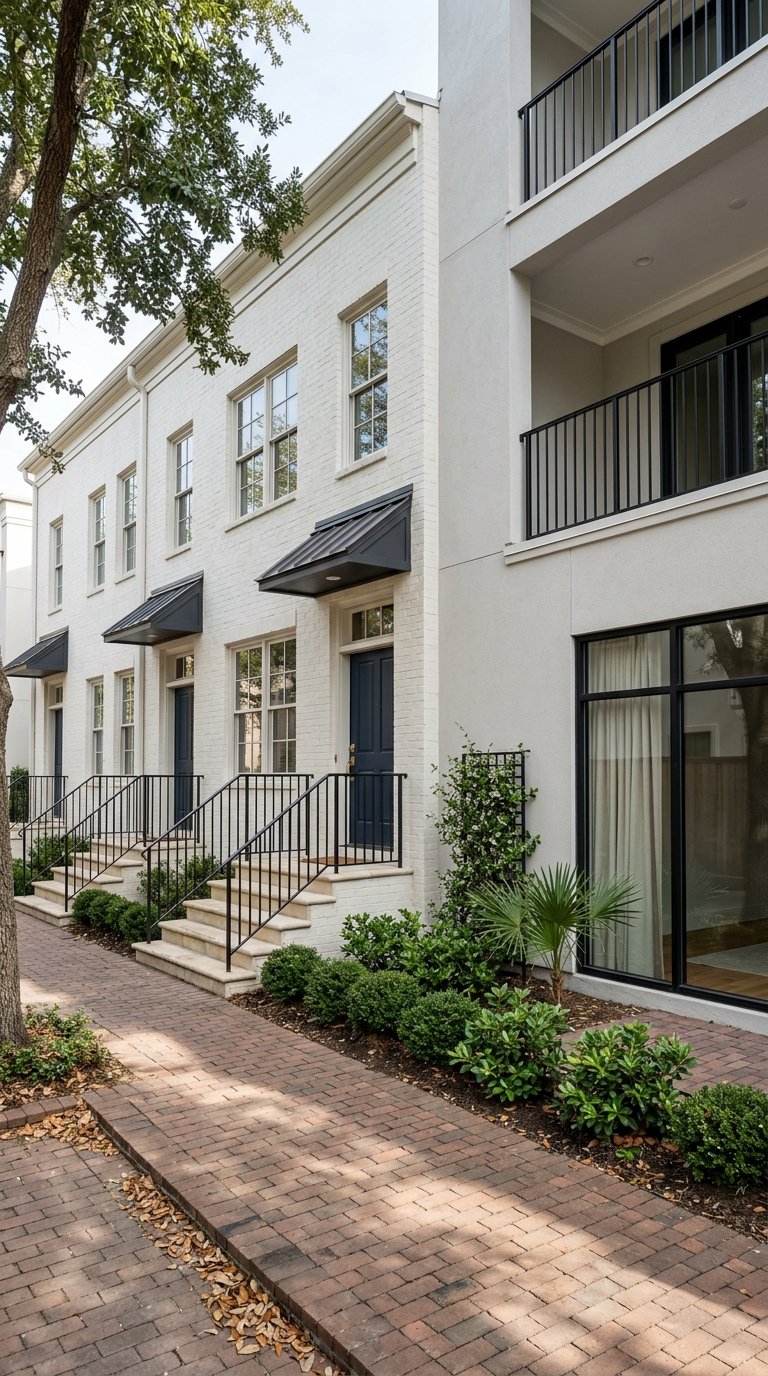
Trying to choose between a condo and a townhome in downtown Charleston can feel simple at first, until you start comparing dues, insurance, flood exposure, historic rules, and the real cost of ownership. If you are buying in 29401, the right fit often has less to do with the listing label and more to do with how you plan to live, travel, maintain the property, and use it over time. This guide will help you sort through the biggest decision points so you can move forward with more clarity and confidence. Let’s dive in.
Why the condo vs. townhome choice matters in 29401
Charleston's 29401 zip code is one of the most distinctive and expensive markets in the region, but current conditions suggest buyers have room to evaluate options carefully. Realtor.com's February 2026 snapshot called 29401 a buyer's market, with a median home price of $2.3 million, 48 median days on market, and homes selling about 4% below asking on average. That creates space to compare tradeoffs rather than rush into the first attached home that looks appealing.
The condo and townhome segments also look very different in this zip code. Current inventory shows 33 condos for sale at a median listing price of about $972,000, compared with 16 townhomes at a median listing price of about $2.4 million. In other words, condos typically offer more selection, while townhomes are a smaller and generally pricier part of the attached-home market.
Subarea matters too. In 29401, areas such as South of Broad, Harleston Village, Ansonborough, Cannonborough-Elliottborough, and The Peninsula can vary widely in pricing and housing stock. That means your decision should be shaped by both property type and location, not just by whether a listing says condo or townhome.
What you own with a condo
In South Carolina, condo ownership is defined under the Horizontal Property Act. In simple terms, you own your individual unit, while sharing a common right in the common elements described in the master deed. Those common elements are not divided up unit by unit, which is why so much of condo ownership depends on the association's documents and financial health.
For many buyers, that setup is the biggest advantage. Condo assessments often cover maintenance of shared property and amenities, which can reduce your exterior upkeep and support a more lock-and-leave lifestyle. If you travel often, want secure access, or prefer less day-to-day maintenance, a condo may line up well with your goals.
The tradeoff is less direct control over certain building decisions and a stronger reliance on the association. Before you buy, you will want to review the master deed or declaration, bylaws, rules, budget, reserve information, meeting minutes, and any history of special assessments. Those details can tell you far more about future satisfaction than a polished listing description ever will.
What you usually own with a townhome
A townhome usually functions more like a self-contained home that shares at least one wall with a neighboring property. Buyers typically own the structure and the land under it, which often gives you more privacy and more control over the exterior than you would have with a condo. In a downtown setting like Charleston, that can be a major draw.
Townhome ownership can also come with more responsibility. Exterior maintenance may fall more heavily on you, and while HOA dues can be lower than condo dues, that is often because the owner carries more of the upkeep burden. If you want more independence and are comfortable managing more maintenance, a townhome may feel like the better fit.
In 29401, townhomes also tend to sit in a narrower and more upscale slice of the market. With fewer listings and a much higher median list price than condos, your search may require more patience and a more flexible timeline.
Compare your day-to-day lifestyle
The best choice often comes down to how you want your home to function on an ordinary Tuesday, not just how it looks during a showing. A condo often works well if you want lower exterior-maintenance demands, building amenities, and a simpler lock-and-leave routine. A townhome often works better if you want more separation, direct entry, and a greater sense of control over your space.
Ask yourself a few practical questions:
- Do you want as little exterior maintenance as possible?
- Do you travel often or split time between homes?
- Do you want private outdoor space or more control over the exterior?
- Are you comfortable taking on more repair and maintenance responsibility?
- Would you prefer a wider range of price points and buildings, or are you targeting a more specific upscale product?
If your priorities center on convenience and simplified upkeep, a condo may be the stronger match. If your priorities center on privacy, ownership control, and a more house-like feel, a townhome may make more sense.
HOA documents deserve close attention
In Charleston, HOA review is not a side task. It is one of the most important parts of your due diligence, whether you are considering a condo or a townhome. The South Carolina Department of Consumer Affairs notes that the state does not have one single law that governs every HOA, so buyers need to rely on the recorded governing documents and the applicable statutes that apply to that community.
At a minimum, review these items before you move forward:
- Declaration or master deed
- Bylaws and rules
- Current budget
- Reserve information
- Recent meeting minutes
- Special assessment history
- Rental restrictions or caps
- Pet rules
- Parking rules
- Renovation approval requirements
Sellers in South Carolina must also disclose whether a property is governed by an HOA on the current residential disclosure form. That gives you an early signal, but it is still your job to understand what the association actually requires. In attached housing, the fine print can shape your budget, your flexibility, and your resale options.
Budget for the all-in monthly cost
It is easy to compare only the mortgage payment, but that can lead to the wrong conclusion. In 29401, you should compare the full monthly picture, including dues, insurance, and any property-specific obligations tied to the association or the building.
Condo financing often involves more review of the association's finances, while lenders usually treat townhouses more like detached homes. Insurance can differ too, since condo buyers generally need their own condo insurance policy and should verify what the association covers versus what the owner must insure individually. A property with lower dues is not always the less expensive option once insurance and maintenance responsibilities are added back in.
A simple way to compare two properties is to line up:
- Mortgage payment
- HOA or regime dues
- Insurance costs
- Estimated maintenance responsibility
- Flood insurance requirements, if any
- Known or possible special assessments
That side-by-side view often makes the better choice much clearer.
Charleston-specific rules can change the answer
In 29401, local rules can matter just as much as the floor plan. Historic district review, short-term rental rules, and flood exposure all deserve serious attention before you decide between a condo and a townhome.
Historic district review
Charleston's Board of Architectural Review oversees new construction, alterations, and renovations visible from the public right-of-way within historic districts. It also reviews demolitions of buildings 50 years or older south of Mount Pleasant Street and all demolitions within the Old and Historic District. For you as a buyer, that can mean more steps for exterior changes, but it can also support long-term preservation of the surrounding built environment.
This matters more with some townhomes, where owners may expect a greater degree of exterior control. If you are buying with plans to make visible exterior updates, ask early what approvals may be required.
Short-term rental rules
If your intended use includes short-term rental income, do not assume either property type will work. In Charleston, legal short-term rentals generally must be the owner's full-time primary residence, verified through the 4% legal residence tax exemption. Investment properties are generally not eligible except in specific commercially zoned properties within the city's Short Term Rental Overlay, identified as the pre-existing Cannonborough-Elliottborough area.
Permits and business licenses renew annually, and on the peninsula, Category II applies outside the overlay zone with a 50-year age requirement for the principal building. On top of city rules, the association may also restrict rentals. That means your intended use should be verified through both city requirements and HOA documents before you make an offer.
Flood exposure and insurance
Flood risk should be checked on every attached home in Charleston. The city notes that FEMA flood maps help lenders determine insurance requirements, but properties outside the Special Flood Hazard Area can still face drainage issues, unmapped floodplains, sea-level-rise impacts, or other hazards. In the Charleston area, flood sources can include coastal flooding, flash flooding, riverine flooding, tidal creeks, and the Atlantic Ocean.
For buyers in 29401, that means flood review should be part of your standard process, not an afterthought. A condo and a townhome in the same general area may still carry different insurance implications depending on elevation, building configuration, and association coverage.
Which option fits different buyers
You do not need the "best" property type. You need the one that fits how you plan to live in downtown Charleston.
A condo may fit you if...
- You want lower exterior-maintenance responsibility
- You value secure access or building amenities
- You want a lock-and-leave lifestyle
- You want more inventory and a broader range of price points in 29401
- You are comfortable reviewing association finances closely
A townhome may fit you if...
- You want more privacy and separation from neighbors
- You want ownership that usually includes the land under the home
- You want more direct control over the exterior, within any local rules
- You prefer a more house-like layout in a downtown setting
- You are prepared for a smaller, generally higher-priced inventory pool
In many cases, the better answer is not based on the category alone. It is based on the legal structure, dues, flood considerations, historic review, parking, and rental rules tied to one specific property.
Questions to ask before touring
A focused tour can save you time and help you avoid the wrong property early. Bring these questions with you as you compare condos and townhomes in 29401:
- What do the dues cover exactly?
- Who pays for the roof, siding, windows, patios, landscaping, and shared systems?
- Are there rental caps, pet restrictions, parking limits, or renovation approval requirements?
- How strong are the reserves?
- Have there been special assessments in recent years?
- Is the property in a historic district?
- Is the property in a flood zone or does it have other known flood concerns?
- Does the city's short-term rental framework affect how the property can be used?
Those answers often tell you more about long-term fit than finishes or staging.
The bottom line for Charleston buyers
In 29401, choosing between a condo and a townhome is really about choosing the ownership structure, maintenance burden, flexibility, and local rule set that match your life. Condos often offer more inventory, lower exterior responsibility, and a wider range of price points. Townhomes often offer more privacy and control, but they are typically fewer in number and more expensive in this downtown market.
If you want expert guidance that goes beyond the listing sheet, we can help you compare the details that truly matter, from dues and documents to flood exposure and neighborhood-specific considerations. Connect with Harcourts Carolinas to schedule a consultation and find the right fit for your Charleston move.
FAQs
What is the main difference between a condo and a townhome in Charleston 29401?
- In general, a condo gives you ownership of your unit plus shared rights in common elements, while a townhome is usually a self-contained attached home with ownership that often includes the land under it.
Are condos or townhomes more expensive in Charleston 29401?
- Current 29401 listings show condos at a median listing price of about $972,000 and townhomes at about $2.4 million, so townhomes are typically the pricier option in this market.
Do condo fees in Charleston usually cover maintenance?
- Condo assessments often cover maintenance of communal property and amenities, but you should review the governing documents to confirm exactly what is included.
Do townhomes in Charleston have HOAs?
- Many townhomes do have HOAs, and buyers should review the recorded governing documents, rules, budget, and reserve information to understand obligations and restrictions.
Can you use a condo or townhome as a short-term rental in downtown Charleston?
- Not automatically. Charleston generally requires a legal short-term rental to be the owner's full-time primary residence, with limited exceptions in specific overlay areas, and the HOA may impose additional restrictions.
Why does flood risk matter for condos and townhomes in Charleston 29401?
- Flood exposure can affect insurance requirements, ownership costs, and long-term risk, and the city notes that even properties outside the Special Flood Hazard Area can still face flooding concerns.