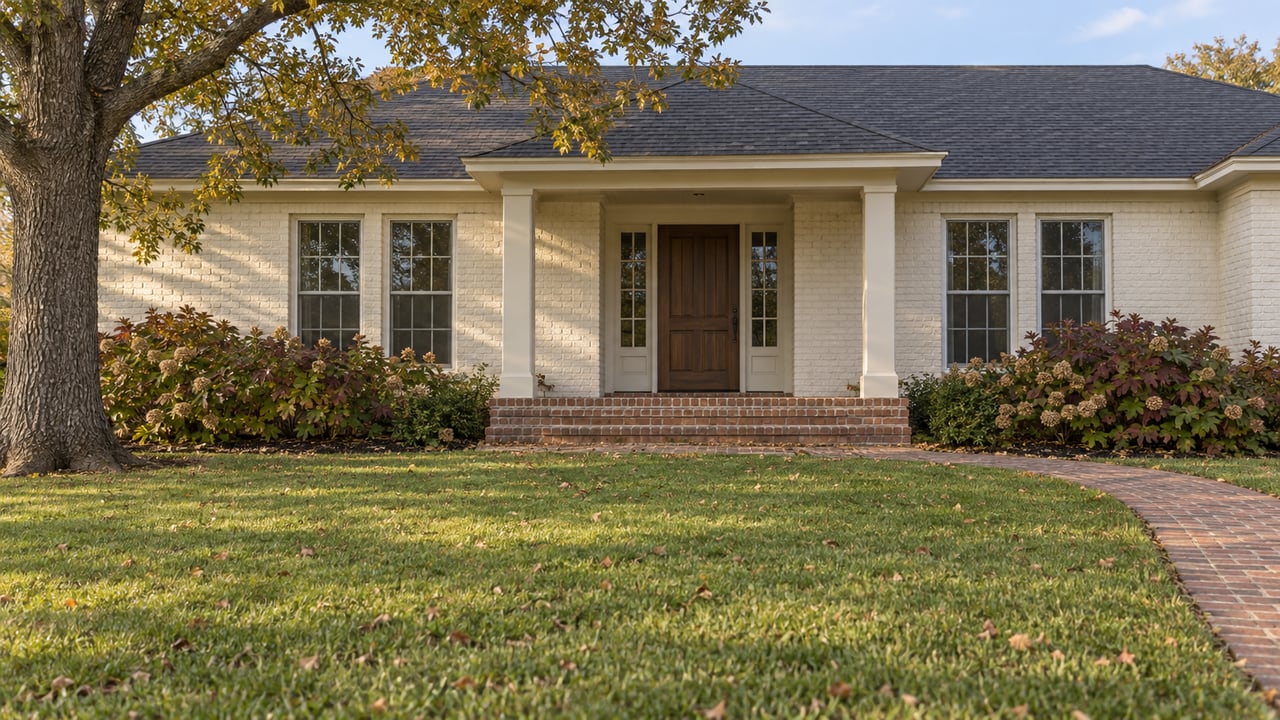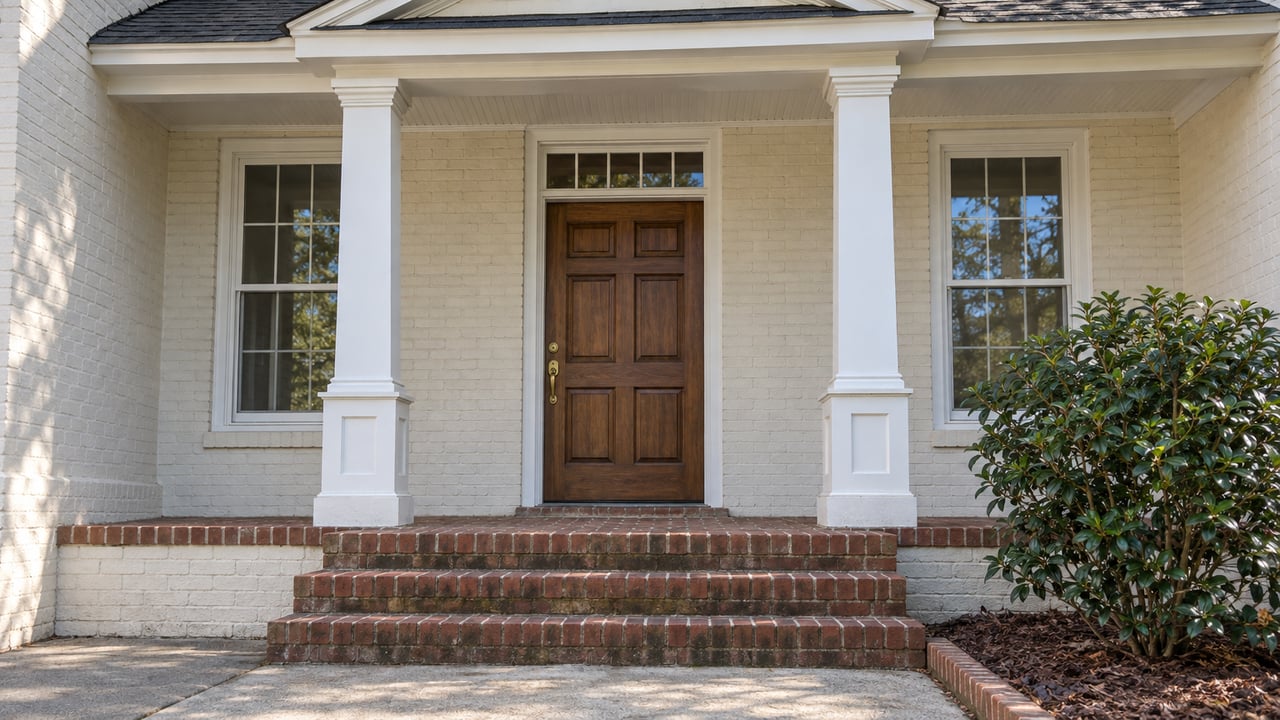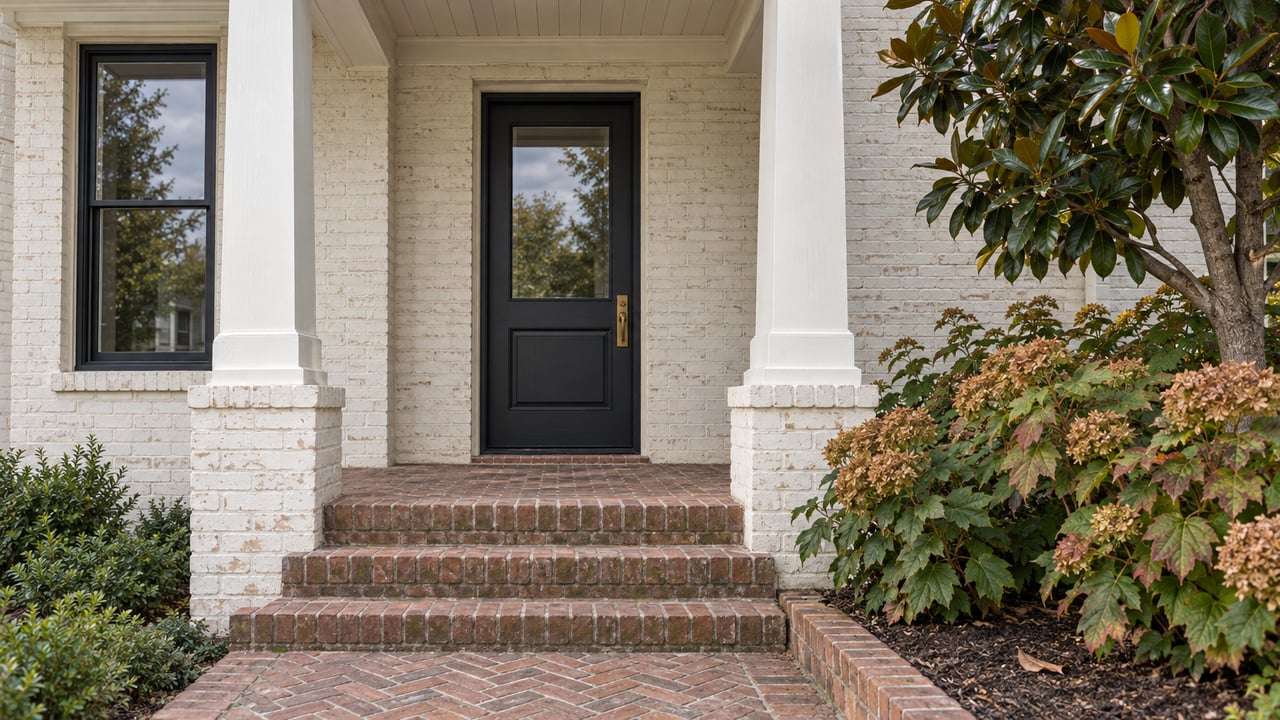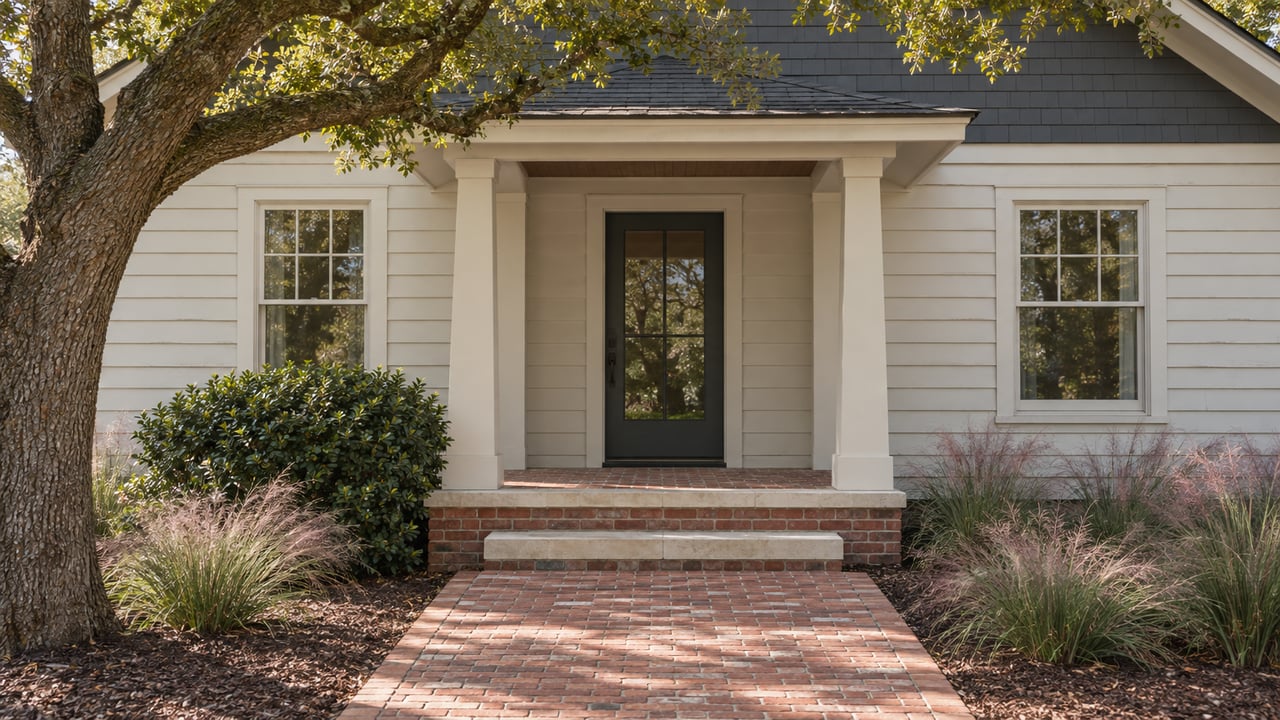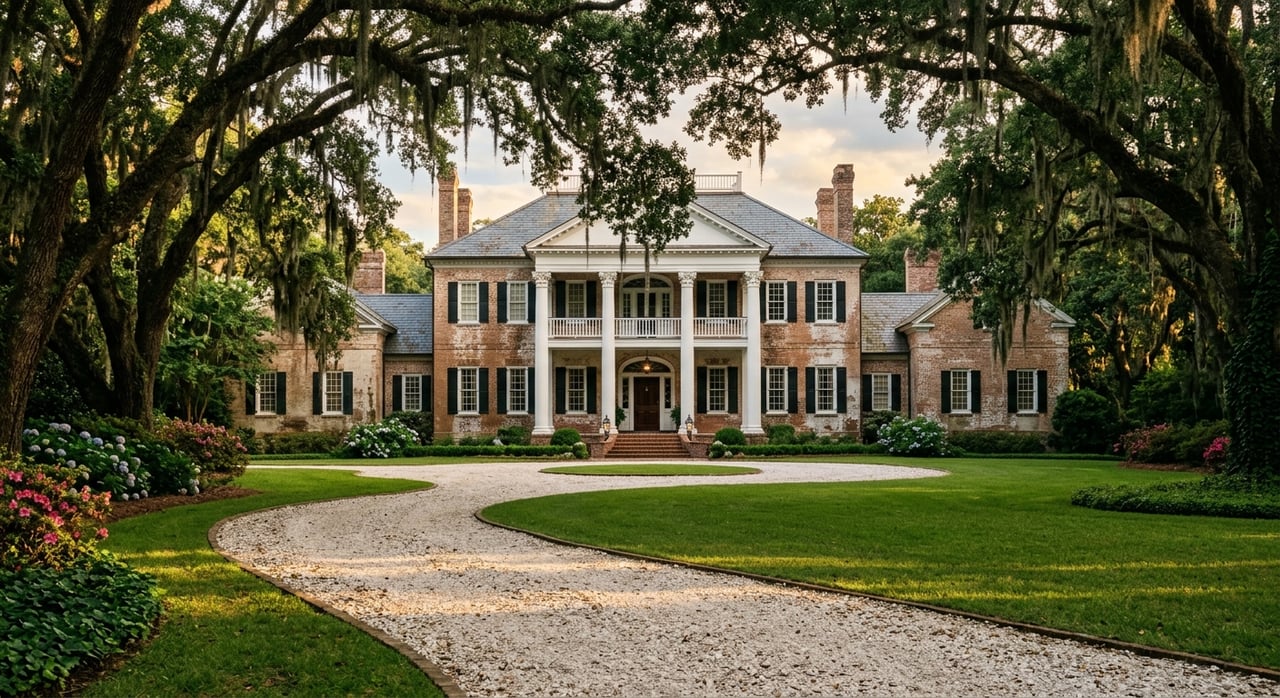
Relocating to downtown Charleston for a luxury home purchase can feel exciting and complicated at the same time. You may be balancing timing, financing, travel, and the reality that a beautiful home in 29401 often comes with historic, flood, and tax questions that do not show up in many other markets. This guide walks you through a practical step-by-step plan so you can move with more confidence and fewer surprises. Let’s dive in.
Start With Charleston’s Luxury Reality
In 29401, luxury is not one-size-fits-all. Charleston’s downtown core includes historic homes, updated residences, and properties shaped by block-by-block architecture, flood considerations, and exterior review rules. That means your buying strategy needs to focus on the exact street, property type, and ownership goals that matter most to you.
Charleston’s luxury market is also highly segmented. Realtor.com’s December 2025 luxury report placed Charleston’s luxury threshold near $1.96 million, but broad market data does not always reflect the experience of buying in the peninsula’s historic core. In practice, a downtown relocation plan works best when you narrow your search early and evaluate homes individually.
Step 1: Align Financing Before You Tour
Before you book showings or travel dates, get your financing and advisory team aligned. If you plan to finance, a preapproval letter can help you move quickly when the right property appears. It is tentative, but sellers often expect to see one.
A smart first step is comparing at least three lenders and asking for three preapprovals. Multiple lender credit checks within a 45-day window are generally treated as a single inquiry, which can make shopping easier. If your financing needs go above conforming loan limits, you may be looking at a jumbo mortgage, which can carry higher costs.
If you are buying with cash or a large down payment, have proof of funds ready before your first trip. That small step can make your offer package stronger and keep your timeline on track. For many relocating buyers, preparation on the front end creates a much smoother experience once a target property is identified.
What to have ready before your first Charleston trip
- Preapproval letter
- Short list of preferred lenders
- Proof of funds if applicable
- Target purchase budget
- Ideal timeline for closing and move-in
- Must-have property features and deal breakers
Step 2: Plan a Focused Search, Not a Casual Weekend
Downtown Charleston rewards a focused search. The 29401 area is the city’s retail and dining center, anchored by King Street, but location here is about more than proximity to restaurants and shops. It also affects how a home may be improved, maintained, and used over time.
Instead of trying to see everything, build your trip around a shortlist of homes and a clear decision framework. This is especially helpful if you are relocating from out of state and want to make efficient use of your time. A structured tour day helps you compare homes with the same questions in mind.
Questions to ask during showings
- Is the property in a historic district?
- Is visible exterior work subject to Board of Architectural Review oversight?
- Is the property in a Special Flood Hazard Area?
- Have past renovations or repairs required permits?
- Does the home’s layout fit your long-term needs?
Step 3: Understand What Defines Charleston Luxury
One of the most recognizable luxury home types in downtown Charleston is the Charleston single house. These homes are typically two or more stories, with the narrow end facing the street, rooms arranged around a central stair hall, and piazzas running along the long side of the lot. The style developed in response to Charleston’s heat, limited urban space, and fire concerns.
That design history still shapes how many buyers experience these homes today. You may find a property that feels formal, private, and climate-adapted all at once. In 29401, features like historic facades, piazzas, side gardens, and original architectural form can all influence value.
This is one reason luxury in Charleston should be viewed house by house and block by block. Two homes with similar square footage may offer very different ownership experiences based on architecture, exterior review rules, and renovation flexibility.
Step 4: Review Flood Exposure Early
Flood review should be part of your first serious evaluation, not a last-minute task. The City of Charleston states that the Special Flood Hazard Area has a 1 percent or greater annual chance of flooding. AE, Coastal A, and VE zones are all within that area.
This matters for both budgeting and future work on the property. The city also states that all work in the Special Flood Hazard Area, including painting, interior finishes, and storm-damage repairs, requires a permit. For a luxury buyer planning updates or long-term ownership, that can affect timeline, cost, and convenience.
Use FEMA’s Flood Map Service Center as the official public source for flood hazard information. When you are comparing properties, make flood status part of the same conversation as price, layout, and location.
Step 5: Check Historic District and Exterior Rules
In much of downtown Charleston, exterior changes are not just a design decision. If a property is inside a historic district, the Board of Architectural Review reviews visible exterior work. That can include alterations, renovations, some demolitions, and other changes visible from the public right-of-way.
The city also uses Area Character Appraisals to evaluate neighborhoods by architectural style, building form, landscape resources, and cultural resources. For you as a buyer, this means a home’s value is closely tied to its setting and architectural context. It also means future plans for exterior updates should be discussed early.
If you love the idea of customizing a home, ask detailed questions before you make an offer. A property may be stunning as-is but offer less flexibility for visible exterior changes than you expect.
Step 6: Compare Loan Estimates Once You Narrow the Search
After you identify a target property, ask lenders for Loan Estimates. Lenders must provide a Loan Estimate within three business days after receiving the required information. Later in the process, the Closing Disclosure must arrive at least three business days before closing.
This is the stage where side-by-side comparisons matter. Review cash to close, total closing costs, lender credits, and assumptions about property taxes or escrow. According to the CFPB, buyers can potentially save $600 to $1,200 per year by getting mortgage offers from multiple lenders.
For a luxury purchase, small differences in lender pricing can add up quickly. A careful review now can help you avoid surprises later.
Step 7: Prepare for South Carolina’s Attorney-Led Closing Process
South Carolina has a distinct closing process, and that matters if you are relocating from another state. The South Carolina Supreme Court has said that title work, closing, and recordation are legal functions that must be performed or supervised by an attorney. That means your closing timeline should account for attorney coordination from the start.
You should also expect to receive a residential property condition disclosure statement for most single-family and one-to-four-unit residential transfers before a contract is formed. This disclosure is an important part of your due diligence process. Review it carefully alongside flood, permit, and renovation questions.
Working with a team that understands how to coordinate showings, offer strategy, lender timing, and attorney-led closing steps can make a major difference in a relocation purchase. It is one of the reasons many luxury buyers benefit from a guided, high-touch process.
Step 8: Budget for Taxes and Recording Costs
Your purchase price is only part of the financial picture. In Charleston County, reassessment occurs every five years, and the county notes that the last reassessment was implemented in 2020, with 2025 reassessment notices mailed on August 20, 2025. That means your tax bill can change after closing depending on reassessment and how the property is classified.
If the home will be your primary residence, confirm whether it qualifies for the 4 percent legal residence assessment. Charleston County says this exemption requires an application and is typically due by January 15 each year. If you are eligible, the homestead exemption excludes the first $50,000 of fair market value from the legal residence.
You should also budget for South Carolina’s deed recording fee. The state imposes $1.85 for each $500 of realty value, and the fee is collected by the clerk of court when the deed is recorded. On a luxury purchase, that line item can be significant.
Quick ownership cost checklist
- Expected monthly housing payment
- Property taxes based on current classification assumptions
- Possible reassessment impact after closing
- 4 percent legal residence application timing
- Homestead exemption eligibility, if applicable
- Deed recording fee
- Insurance and escrow assumptions
A Simple Relocation Timeline for 29401
A step-by-step plan can keep your move organized and reduce decision fatigue. While every purchase is different, the sequence below works well for many relocating luxury buyers.
30 to 60 days before touring
- Compare lenders and secure preapproval
- Set your budget and preferred closing window
- Build your shortlist of target streets or property styles
- Gather proof of funds and decision-makers
During your Charleston home search
- Tour a focused list of properties
- Review flood zone and historic district status
- Ask about permits, disclosures, and exterior review rules
- Narrow to one or two top choices
After choosing a property
- Request and compare Loan Estimates
- Review disclosure documents carefully
- Coordinate attorney-led closing steps
- Confirm tax classification questions and closing costs
Before closing
- Review the Closing Disclosure on time
- Finalize cash to close
- Recheck ownership cost assumptions
- Prepare for move-in and any immediate permit-related work
Why Local Guidance Matters in a Charleston Luxury Move
A luxury relocation to 29401 is about more than finding a beautiful property. You are also evaluating how that home fits Charleston’s historic fabric, flood framework, and ownership costs. The right guidance helps you connect those details before they become expensive surprises.
At Harcourts Carolinas, we believe luxury service should feel polished, personal, and clear. If you are planning a move to downtown Charleston and want a relationship-first team that understands high-touch relocation and luxury buying, connect with Harcourts Carolinas.
FAQs
What defines a luxury home in downtown Charleston 29401?
- In 29401, luxury often includes historic architecture, Charleston single houses, piazzas, side gardens, and location-specific factors like flood exposure and historic district rules.
What should you do before touring Charleston luxury homes?
- Before touring, you should compare lenders, get preapproved if financing, gather proof of funds if needed, and create a focused shortlist of properties and priorities.
What flood issues should you check when buying a Charleston home?
- You should confirm whether the property is in a Special Flood Hazard Area and understand that, according to the City of Charleston, work in that area requires permits, including some interior and repair work.
What historic review rules affect Charleston luxury properties?
- If the home is in a historic district, the Board of Architectural Review may review visible exterior work, which can affect future renovation plans and timelines.
How does closing work for a Charleston home purchase in South Carolina?
- In South Carolina, title work, closing, and recordation must be performed or supervised by an attorney, so buyers should plan for an attorney-led closing process.
What tax costs should relocated buyers expect in Charleston County?
- Buyers should review possible reassessment changes, the 4 percent legal residence application, homestead exemption eligibility if applicable, and South Carolina’s deed recording fee when budgeting for ownership.