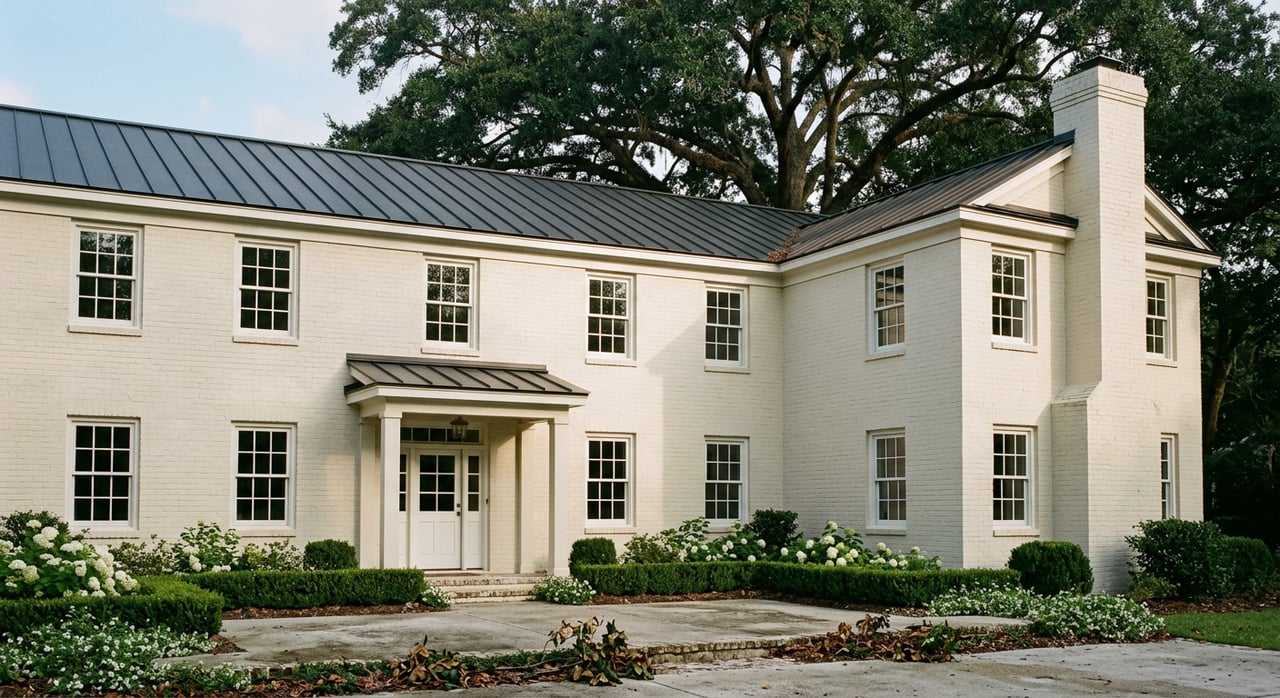
Trying to choose between downtown Charleston’s 29401 and Columbia? You are not alone. Both cities offer strong reasons to call them home, from Charleston’s walkable historic core and coastal lifestyle to Columbia’s value, space, and career stability. In this guide, you will compare costs, commutes, job markets, schools, and ownership considerations so you can decide with confidence. Let’s dive in.
Housing costs at a glance
Prices in 29401 sit at the top of the South Carolina market. Zillow’s Home Value Index (ZHVI) places the typical 29401 home value near $1.47 million as of Jan 31, 2026. Other data vendors that track recent sales or active listings show higher medians because they measure different things, not long-run value trends. In short, budget at a premium for the historic peninsula.
Citywide Columbia is far more affordable. Zillow’s ZHVI for Columbia sits near $224,000 on the same date. Median sale figures from other vendors generally fall in the mid $200,000s, reflecting a conventional, value-driven market.
What you get for the dollar
- 29401: Historic Charleston “singles,” carriage houses, and luxury condos in a dense, walkable setting. Inventory is limited and price per square foot is high.
- Columbia: Primarily single-family homes on larger lots, newer subdivisions, and urban infill or condos near downtown and the Vista, typically at significantly lower prices than the Charleston peninsula.
Renting comparison
Rents in 29401 track at the upper end of the region, with asking-rent indices near $3,700+ per month in early 2026. Columbia’s city rents are often in the low $1,000s. These are listing asks, not signed lease averages, but they reflect the same affordability gap you see in for-sale housing.
Commute and transportation
Charleston city’s mean travel time to work is about 24.2 minutes, while Columbia’s is about 17.7 minutes, according to U.S. Census QuickFacts. If you live and work on Charleston’s peninsula, you may be able to walk or bike and keep trips short. If you live on the peninsula but work in suburban employment centers, plan for variable drive times.
Charleston’s transit is provided by CARTA, including free downtown DASH shuttles that are handy for short hops. Columbia’s system, The COMET, offers fixed routes, on-demand ReFlex service, and university-linked shuttles. Driving between the two cities is roughly 114 miles along I-26 and typically takes 1 hour 45 minutes to 2 hours, which is workable for occasional trips but not ideal for daily commuting.
Career landscape: where your work fits
Charleston’s economy blends ports and logistics, aerospace and automotive manufacturing, healthcare, higher education, tourism, and a growing tech cluster. Major names include Joint Base Charleston, MUSC, and Boeing. Explore the region’s employer map through the Charleston Regional Development Alliance.
Columbia’s market centers on state government, healthcare systems, the University of South Carolina, and Fort Jackson, with area manufacturing and logistics. That mix supports stable public-sector and white-collar roles at lower housing costs. See a metro overview in this Midlands market report summary from The Kirkland Company.
Best-fit pointers by profession
- Ports, aerospace, hospitality, and Charleston-based healthcare or research: Living near or on the peninsula reduces commute friction for shifts, lab time, and client meetings.
- State government, higher education, and Columbia-based healthcare: Columbia delivers short commutes and more home for the dollar near key institutions.
- Remote workers: Choose between 29401’s walkable, urban lifestyle or Columbia neighborhoods with larger homes and dedicated office space at a lower cost.
Schools and education options
On the Charleston peninsula, families often engage with Charleston County School District programs. Examples include the countywide magnet Memminger School of Global Studies, an International Baccalaureate program in the heart of downtown. Review program details on the Memminger page. Middle and high school options include neighborhood and district magnet pathways. Always verify address-level attendance and enrollment for your specific property through the district.
In Columbia, most addresses fall in Richland County School District One, with parts of the city in Richland Two and other nearby districts. Program offerings and enrollment are district and neighborhood specific. Start your research with Richland One’s schools directory and the state’s report cards, then confirm zones for the exact address you are considering.
Lifestyle tradeoffs
- Charleston 29401: Historic architecture, cobblestone streets, galleries, and a nationally known dining scene within an easy walk. Barrier-island beaches are close, with a coastal climate and robust tourism calendar.
- Columbia: State capital energy, USC arts and athletics, riverfront trails, and a strong network of parks and suburban amenities. Travel around the state is straightforward by car, and daily life often moves at a more relaxed, value-driven pace.
Ownership costs, taxes, and risk
South Carolina’s property taxes are low by national standards, but county effective rates vary. Charleston County’s effective property tax rate is about 0.41%, while Richland County’s is about 0.70%, according to the Tax Foundation. Remember that your actual bill depends on assessed value and local millage, so a lower rate on a higher-priced home can still mean a larger tax bill.
Flood and insurance considerations matter in both cities, but especially on the Charleston peninsula. 29401 is low-lying, with tidal flooding and storm surge risk. Review the City’s flood resources and building guidance on Charleston’s Floodplain Management page. For many peninsula properties, lenders will require flood insurance under FEMA’s updated Risk Rating 2.0, so secure property-specific quotes early.
If you plan exterior work on the peninsula, be aware that many projects require review by the City’s Board of Architectural Review. Expect additional design standards and timelines in the Old & Historic District. Learn more on the BAR information page.
Due diligence checklist
- Confirm the property’s FEMA flood zone and elevation certificate, then request insurance quotes before you finalize offers.
- Verify school attendance zones and magnet program enrollment steps for the exact address.
- If buying in 29401, review BAR submittal requirements and timelines for any planned exterior changes.
- Clarify current millage rates and estimated taxes with the county auditor.
Quick comparison at a glance
| Factor | 29401 Charleston | Columbia (city) |
|---|---|---|
| Typical home value | ZHVI about $1.47M, Jan 2026 | ZHVI about $224k, Jan 2026 |
| Typical asking rent | Higher, ZORI around $3,700+ | Lower, often low $1,000s |
| Mean commute time | About 24.2 minutes (citywide) | About 17.7 minutes (citywide) |
| Transit options | CARTA and free DASH shuttles | The COMET, fixed routes and ReFlex |
| Flood and permits | Coastal flood risk; BAR review common | Inland flood risk varies by location |
| Effective property tax | Lower rate, higher home values | Higher rate, lower home values |
How to decide between Charleston and Columbia
Define budget and space needs. Start with a clear price range, then decide how much square footage and outdoor space you want.
Reality-check the commute. Drive your route at your actual travel times. If you plan to cross major chokepoints or bridges, add buffer.
Map your job market. If your work is tied to the port, aerospace, hospitality, or Charleston-based healthcare, being near the peninsula can pay dividends. Public-sector, higher education, and Midlands healthcare roles point naturally to Columbia.
Align schools and programs. Shortlist properties, then verify school assignments and application timelines for magnets or special programs.
Assess risk and carrying costs. Confirm flood data and insurance, understand BAR rules in 29401, and estimate property taxes by address.
When you are ready to compare properties, we are here to help. As a Columbia-based boutique brokerage with curated Lowcountry expertise, we can line up on-the-ground tours in both markets, give you clear numbers on ownership costs, and even offer our in-house auction option if you are a seller seeking speed or price transparency.
Ready to talk through your move? Connect with Harcourts Carolinas to request a home valuation or schedule a consultation.
FAQs
How much more does it cost to buy in 29401 vs Columbia?
- Order of magnitude, 29401’s headline metrics range from about $1.4 million to just over $2 million depending on the vendor and whether you look at a value index, median sale, or median listing. Columbia’s city medians typically sit around $224,000 to $265,000. Always note the metric and date when you compare.
Are property taxes higher in Columbia or Charleston County?
- Richland County (Columbia) shows a higher effective property tax rate than Charleston County, per the Tax Foundation. Your actual bill depends on assessed value and local millage, so compare address by address.
What are the biggest non-price tradeoffs between 29401 and Columbia?
- 29401 offers historic character and walkability close to the coast, but you should plan for coastal flood exposure and design review through the City’s BAR process. Columbia delivers lower housing costs and more space with inland flood considerations that vary by neighborhood.
Is it realistic to live in one city and work in the other?
- The cities are about 114 miles apart along I-26, often 1 hour 45 minutes to 2 hours each way. That can work for occasional trips, but it is not ideal for daily commuting. Test your route at your actual travel time before deciding.
Which city is better for remote work?
- It depends on your lifestyle. Choose 29401 if you want a walkable, historic urban setting near the coast, or Columbia if you prefer a larger home with office space at a lower cost and easy car access around the Midlands.
Do I need flood insurance in either city?
- Your lender may require it if the property is in a FEMA Special Flood Hazard Area. On the Charleston peninsula, flood considerations are common. Start with the City’s Floodplain Management resources and get property-specific quotes early.