Trying to figure out where to live in Charleston without spending weeks researching neighborhoods? You are not alone. If you are relocating for work and want a coastal lifestyle, short commute, and the right housing style, the choices near 29401 can feel overwhelming. This guide gives you a simple way to zero in on the right areas fast, with practical checks you can run from your laptop. Let’s dive in.
Your Charleston decision framework
Start by weighing four core factors that shape daily life and value. Use these to set filters before you scroll listings.
Commute patterns and job location
Where you work will drive your best options. Downtown jobs on the Peninsula often favor living in or near 29401 for the quickest door-to-desk time, often under about 15 minutes. Commuting from suburbs or barrier islands can add 20 to 45 minutes or more, especially with bridge crossings. Peak congestion typically builds along I-26, US-17/Septima Clark Parkway, Rivers Avenue, and the Ravenel Bridge.
- If your office is downtown, prioritizing the Peninsula or nearby islands can reduce stress and time in traffic.
- If you work in North Charleston or near the airport, consider Park Circle or West Ashley for balanced access.
- Public transit via CARTA serves major corridors and parts of the Peninsula, and the free DASH shuttles help downtown, but most professionals rely on driving or biking for consistent commute times.
Coastal lifestyle and water access
Proximity to salt marsh, harbor, and beaches shapes how you spend your weekends. Walkable waterfront access on the Peninsula offers dining and culture steps from your door, while islands provide boating and beach days. Flood risk varies by micro-location. Low-lying parcels can face tidal flooding and hurricane exposure, and flood insurance may be required. Use FEMA flood maps and Charleston County GIS to check parcel flood zones and elevation, and factor in long-term resilience like sea-level rise and stormwater improvements.
Historic character vs. newer construction
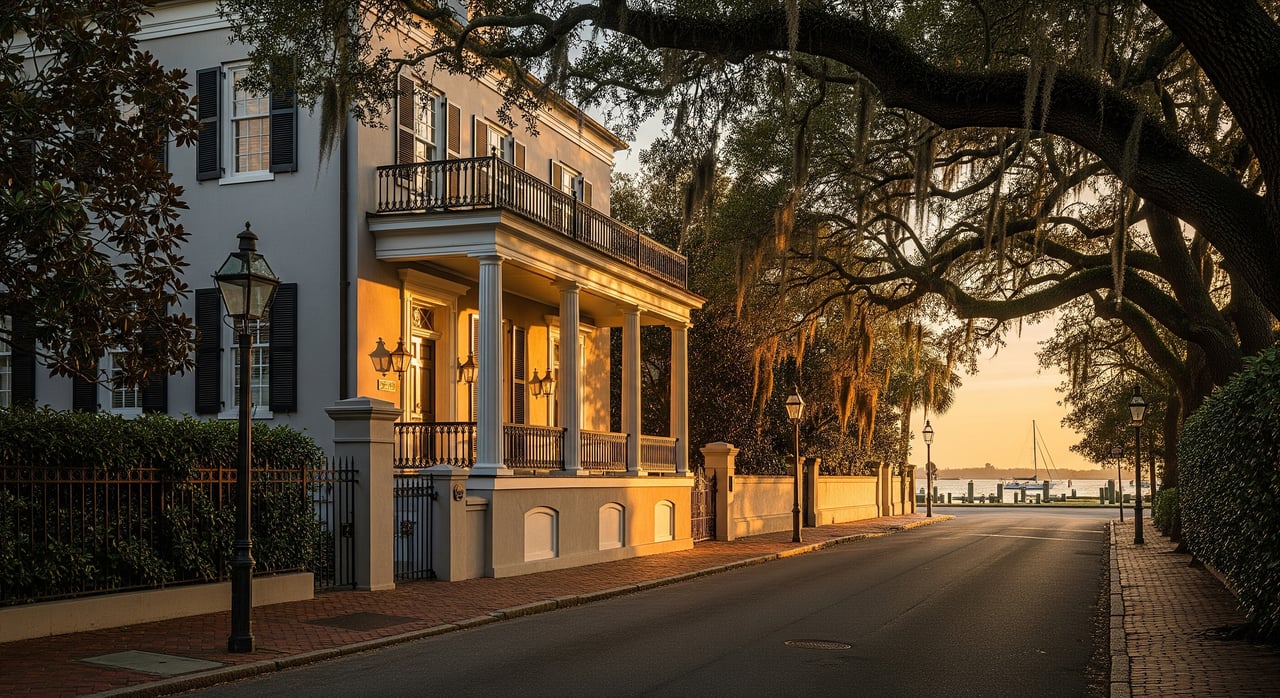
Charleston’s Historic District offers charm, architecture, and a cultural backdrop that is hard to beat. That character comes with design review, specialized maintenance, and often smaller lots or limited parking. Newer homes and planned communities off the Peninsula can deliver modern systems, warranties, and larger footprints, typically with longer commutes.
Dining, retail, and recreation
If you want walkable dining and nightlife, the Peninsula and Upper King corridor offer the highest density. Islands like Folly Beach, Sullivan’s Island, and Isle of Palms lean into outdoor recreation and seasonal beach living. Suburban centers in Mount Pleasant and North Charleston provide larger shopping options and easy access to office clusters.
Neighborhood short-list near 29401
Use these profiles to focus your search on a few areas that fit your commute and lifestyle priorities.
Historic urban living with fast downtown access
Charleston Peninsula / Historic District (core)
- Typical homes: historic single-family houses, rowhomes, and condos; some new infill.
- Lifestyle: the most walkable setting with King Street dining and retail, Waterfront Park, museums, and cultural venues.
- Commute: best for downtown employers; walking and biking are realistic. Parking can be limited or paid.
- Considerations: preservation review for many renovations, smaller lots, higher per-square-foot prices, and seasonal visitor traffic.
Cannonborough, Elliotborough, Harleston Village, Ansonborough
- Typical homes: mix of historic houses, townhomes, and newer infill condos; some live-work lofts near Upper King.
- Lifestyle: strong dining and boutique retail within an urban neighborhood feel.
- Commute: very manageable to downtown, with moderate parking compared with the core historic district.
- Considerations: parts are still under preservation review; confirm permit requirements if you plan to renovate.
Islands and waterside living with commute trade-offs
James Island and West Ashley
- Typical homes: older cottages, single-family homes, and newer subdivisions with varying yard sizes.
- Lifestyle: quick access to local marinas and beaches, plus a relaxed suburban vibe.
- Commute: roughly 10 to 25 minutes to downtown depending on location and time of day.
- Considerations: some areas experience tidal flooding; always check parcel elevation and drainage features.
Folly Beach, Sullivan’s Island, Isle of Palms
- Typical homes: beach cottages, single-family homes, and condos; vacation-rental presence in many areas.
- Lifestyle: beach-first living and an outdoor recreation focus; expect seasonal tourism.
- Commute: commonly 25 to 45 minutes to downtown, with bridge traffic adding variability.
- Considerations: higher insurance and maintenance costs, hurricane exposure, and local rental rules to verify.
Balancing commute, value, and character
Mount Pleasant (across the Ravenel Bridge)
- Typical homes: newer construction, planned communities, condos with water views, and traditional neighborhoods.
- Lifestyle: robust shopping, dining, and family amenities; short drive to Isle of Palms.
- Commute: quick off-peak via the Ravenel Bridge; peak hours can be congested.
- Considerations: premiums near Shem Creek and waterfront; traffic patterns vary by time of day.
North Charleston and Park Circle
- Typical homes: single-family options, new infill, and townhomes; often more affordable than the Peninsula and islands.
- Lifestyle: growing restaurant and arts scene in Park Circle; quick access to airport and employment centers.
- Commute: short to moderate to both downtown and other job hubs.
- Considerations: micro-locations can differ; check current zoning, nearby development, and parcel-level data.
Commute planning that saves time
Set your commute tolerance first, then test it at real times.
- Map door-to-door times from candidate addresses to your office during your actual AM and PM windows.
- Note pinch points: I-26, US-17 corridors, Rivers Avenue, and the Ravenel Bridge.
- Evaluate bike routes if you will work on the Peninsula; many residents prefer biking to avoid parking costs.
- Review CARTA bus routes and the free DASH shuttles for downtown movement, but plan on driving for consistency beyond the core.
Flood, insurance, and resilience basics
Charleston’s beauty comes with water. Be proactive about risk.
- Run a FEMA flood zone check for each property, then confirm base flood elevation if available.
- Use Charleston County GIS for parcel elevation and local flood layers.
- Discuss NFIP and private-market flood policies with a local insurance pro and include wind and hurricane coverage in your estimate.
- Consider long-term trends like tidal flooding and sea-level rise when comparing near-water options vs. higher ground.
Historic properties and permitting
If you love historic homes, plan for extra steps and costs.
- Confirm whether a property sits within a local historic district. Rules vary by location and project scope.
- Contact the City of Charleston’s Preservation Office early if you anticipate exterior work.
- Build in extra time for design review and permitting, and plan for specialized trades for older systems.
A fast short-list workflow
Use this half- to full-day approach to go from broad map to a visit-ready plan.
Step A: Pre-session inputs (30–60 minutes)
- Set your maximum commute time and target work location.
- Rank non-negotiables: walkability, beach access, historic character, parking, yard size, and school zoning importance.
- Note your exact start and end times to test real traffic.
Step B: Rapid mapping (30–60 minutes)
- Draw 10, 20, 30, and 45-minute drive-time rings from your office.
- Overlay neighborhoods: Peninsula blocks, Cannon/Elliot, Upper King, James Island, Mount Pleasant, Park Circle.
- Flag areas that hit both commute and lifestyle filters.
Step C: Quick screening (60–90 minutes)
- For 4 to 8 neighborhoods, gather 4 to 6 representative listings per area.
- Record Walk Score or basic amenity notes: nearest grocery, gyms, parks, and dining density.
- Note FEMA flood zone, parcel elevation, typical housing age, and whether historic review applies.
- Capture HOA fees, estimated taxes, and parking specifics.
Step D: Risk checks (30 minutes)
- Run flood maps for finalists and note base flood elevation if available.
- Confirm preservation overlays that affect renovations.
- Look up school assignment zones with the district if that matters for you.
Step E: Finalize your plan (15 minutes)
- Build a 3 to 6 item short-list with reasons tied to commute fit, lifestyle fit, and deal breakers.
- Schedule in-person or virtual tours and ask your agent about off-market or upcoming listings that match your filters.
- If flood or historic risk is high, request sample insurance quotes and renovation estimates before you visit.
Parking, car ownership, and street rules
On-street parking can be tight on the Peninsula. Some homes lack off-street spaces, and permit zones cover parts of downtown. Always verify whether a property includes a driveway or garage, and review any HOA or street regulations that may affect daily routines.
Plan your first visit
- Walk Upper King for dining and daily-life vibes.
- Stroll Waterfront Park and the surrounding blocks to gauge walkability.
- Drive to and from your office at a real commute time.
- Sample a beach day from James Island or Isle of Palms to time the round-trip.
- Visit one suburban hub like Mount Pleasant or Park Circle to compare amenities and commute trade-offs.
When you are ready to narrow your list, we can help you run parcel-level checks, line up tours, and assemble a side-by-side comparison that balances commute, coastal lifestyle, and long-term risk. If you need to sell a home as part of your move, we can also advise on traditional listing or our auction platform for a faster, transparent timeline.
Ready to get a tailored short-list and a visit plan? Connect with us at Harcourts Carolinas to schedule a consultation.
FAQs
Parking on the Charleston Peninsula if you live downtown
- Many homes do not include private garages, and on-street spaces can be limited; confirm off-street parking or permit options for your address.
Tidal flooding and daily life in Charleston
- Tidal flooding can affect low-lying streets during high tides or heavy rain; check parcel elevation, local drainage, and flood zone before you buy.
Renovating a historic home in 29401
- Properties in local historic districts often require design review and permits; contact the City’s Preservation Office early to understand scope and timeline.
Public transit options for Charleston commutes
- CARTA buses and free DASH shuttles support downtown movement, but most professionals drive or bike for reliable commute times across the region.
Balancing commute and coastal access for relocators
- James Island and parts of West Ashley often offer faster downtown access than barrier islands while keeping you near boating and beaches; Mount Pleasant and Park Circle can also balance commute and amenities based on your job location.