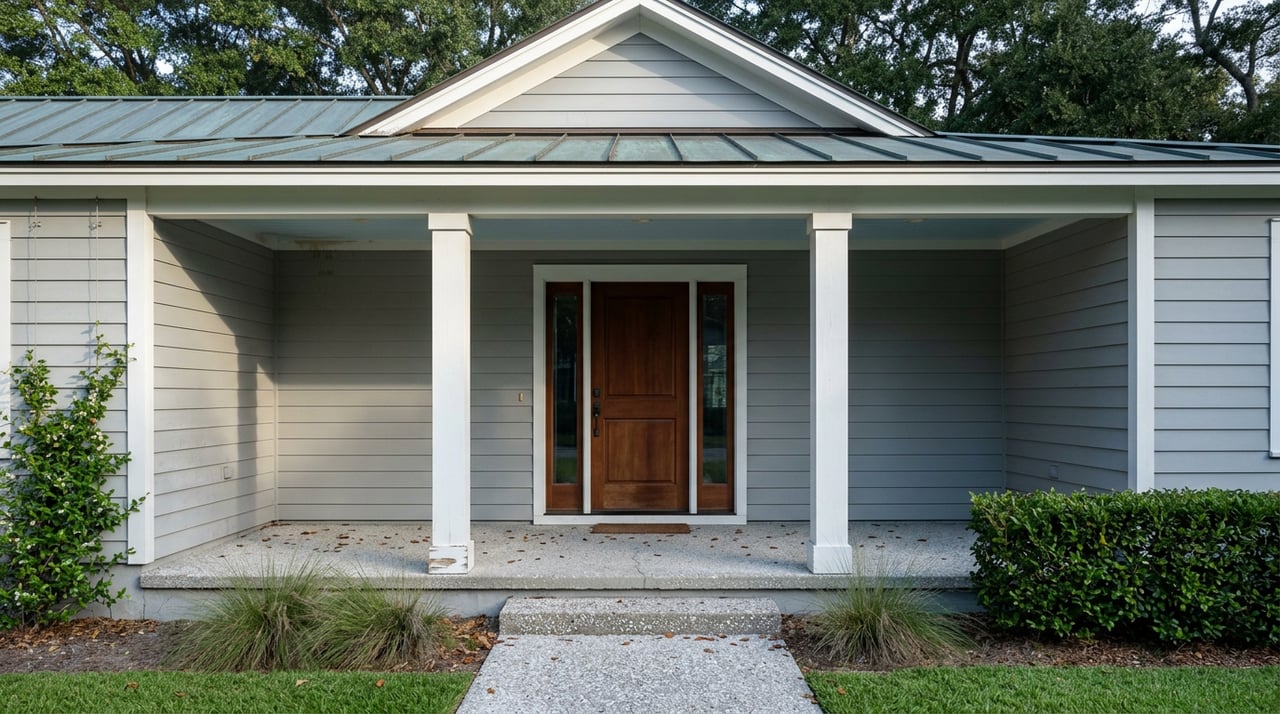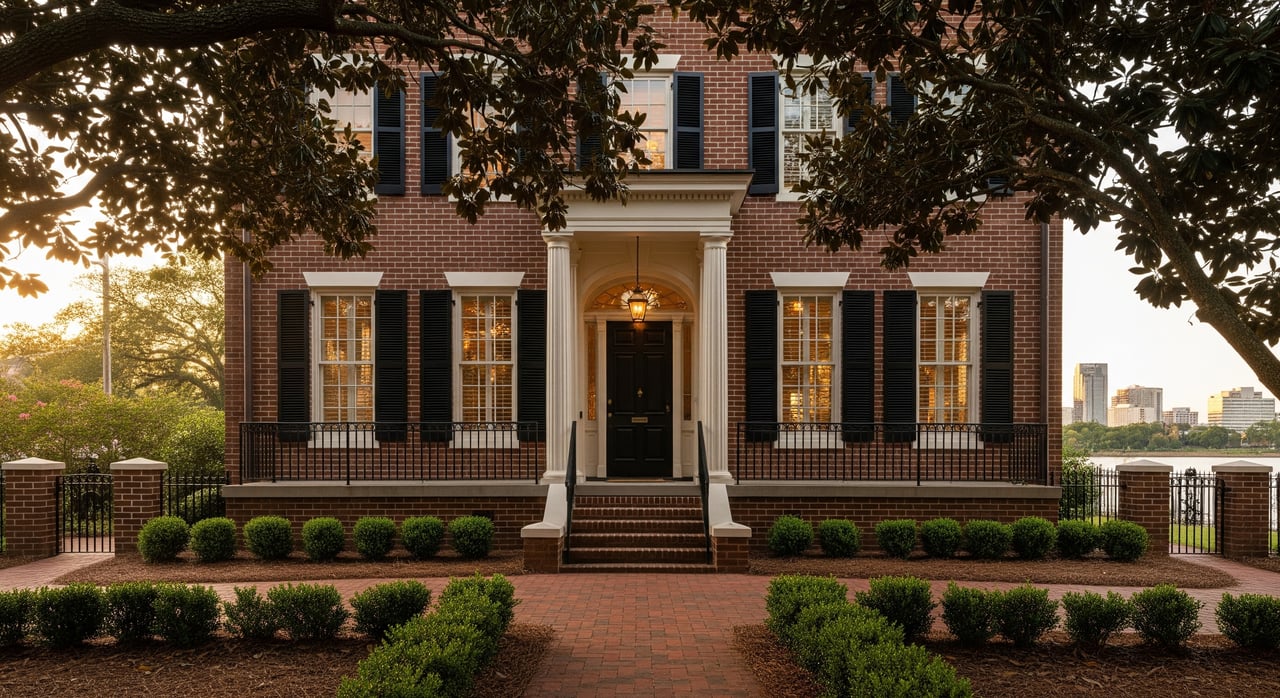
Think a 20 percent down payment is the only way to buy a home in Columbia’s 29201? You have more options than you might realize. If saving for a down payment feels like the last big hurdle between you and a front door in the Vista, Cottontown, or nearby neighborhoods, you are not alone. In this guide, you will learn where down payment assistance comes from, who typically qualifies, how these programs work with FHA and conventional loans, and what to expect for timelines. Let’s dive in.
What is down payment assistance?
Down payment assistance, or DPA, is support that helps cover part of your upfront funds at closing. Programs are usually offered as a second mortgage that is either forgivable over time, deferred with 0 percent interest, or low interest with set payments. Some buyers also pair DPA with a Mortgage Credit Certificate (MCC), which is a federal tax credit that can boost your after-tax cash flow. MCCs are not cash assistance, but they can meaningfully improve your monthly budget.
DPA is almost always for owner-occupants and comes with rules you must follow. You will see income limits, purchase price caps, and homebuyer education requirements. Because program terms change, you should verify current details before relying on them.
Who offers DPA in Columbia
SC Housing
The South Carolina State Housing Finance and Development Authority is the primary statewide source of assistance. SC Housing commonly offers first-mortgage options that can be paired with a forgivable or deferred second mortgage and may also provide MCCs. Review current offerings, income limits, and purchase price caps directly on the SC Housing website.
City and county programs
Local programs come and go as funding is refreshed. The City of Columbia and Richland County may periodically offer down payment help for purchases within their boundaries. Check the City’s site at the City of Columbia and the county site at Richland County Government for current notices and eligibility.
Nonprofit and community partners
HUD-approved housing counselors and community organizations may administer assistance or grants and often require homebuyer education. Use the HUD counseling locator to find certified, local guidance in the Midlands.
Bank or lender programs
Some banks and mortgage lenders offer their own assistance or participate in state and local offerings. These can mirror SC Housing rules, but lender-specific requirements may apply. Ask each lender which DPA programs they support in Richland County.
Eligibility basics you should expect
Most programs use similar filters. While specifics vary, you will often see the following:
- First-time buyer status. Many programs define this as no ownership in the past three years. Some make exceptions for targeted areas or veterans.
- Income and purchase price limits. These are usually tied to area median income and household size and vary by county.
- Credit and debt standards. FHA loans commonly require a minimum credit score for maximum financing, and conventional loans may require higher scores when paired with DPA.
- Primary residence and occupancy. You will confirm you intend to live in the home as your primary residence for a set period.
- Homebuyer education. Many programs require an approved education course before closing.
- Property type. Single-family homes and eligible condos are common. Some programs allow 2–4 unit properties if you will occupy one unit.
Be ready to document identity, income, assets, and employment. Typical items include a photo ID, recent paystubs, W-2s, bank statements, and a homebuyer education certificate. If you will use gift funds along with DPA, you will need a program-compliant gift letter and donor documentation.
How DPA pairs with your loan
DPA is not a stand-alone mortgage. It sits beside your primary loan, and each loan type has rules for acceptable assistance.
FHA loans
FHA permits down payment assistance from approved sources, including state or local government programs and eligible nonprofits. FHA requires a minimum borrower investment that can often be met with approved DPA, subject to FHA rules and lender overlays. For general FHA homebuying guidance, review HUD’s Buying a Home resources.
Conventional loans
Conventional low down payment products such as Fannie Mae HomeReady and Freddie Mac Home Possible accept many forms of DPA from government and nonprofit sources. You must also follow conventional rules on mortgage insurance and seller contributions. Learn more about Fannie Mae HomeReady and Freddie Mac Home Possible.
VA and USDA loans
If you are eligible for a VA loan, you may not need a down payment. DPA could still help with closing costs if allowed by VA rules. USDA loans also allow zero down, but eligibility depends on property location and other factors. Most central Columbia addresses in 29201 will not qualify for USDA because it focuses on rural areas. Check eligibility with a knowledgeable lender.
Mortgage Credit Certificates (MCCs)
An MCC is a federal tax credit worth a portion of your annual mortgage interest. When available through SC Housing, MCCs can be paired with many loan types and may improve your qualifying picture. Learn how the credit is claimed using IRS Form 8396. Remember, an MCC is not cash at closing, but it can increase your net take-home over time.
Will DPA change your payment or equity?
It depends on the structure. A forgivable second may add no monthly payment and can be forgiven over a set period if you maintain owner-occupancy. A deferred second may have no payment until you sell, refinance, or move. An amortizing second will add a monthly payment and affects your qualifying ratios. Any recorded second lien reduces your net equity until it is forgiven or repaid. Ask your lender to model your payment and equity under each structure.
Timeline and closing impacts
DPA adds an extra approval track alongside your primary loan. That can affect your closing date.
- Program application and approval. Expect a separate review by the DPA administrator. This can add 1 to 3 or more weeks depending on funding and responsiveness.
- Documentation. DPA often requires income certification, a completed education certificate, and program forms beyond your lender’s standard package.
- Title and recording. If assistance is a recorded second mortgage, your title company will coordinate the lien, which can add time.
- MCC processing. If you pair an MCC with your mortgage, you must apply before closing to receive the credit for the current tax year.
To stay on schedule, start your DPA application early, complete education upfront, and keep your paperwork clean and complete. Ask your lender and the program administrator to coordinate milestones so both approvals move in parallel.
Verification checklist for 29201 buyers
Use this quick plan to get organized.
Confirm availability and fit
- Review current statewide offerings and limits at SC Housing.
- Check for any city or county programs on the City of Columbia and Richland County websites.
- If you want one-on-one guidance, find a local certified counselor through the HUD counseling locator.
Ask your lender the right questions
- Which DPA programs do you support for Columbia and Richland County?
- Is the assistance forgivable, deferred, or amortizing? What happens if I sell or refinance?
- How will DPA affect my qualifying income, mortgage insurance, and reserves?
- Can I pair DPA with an MCC? What are the timing requirements to use the credit this tax year?
- What closing timeline should I expect when DPA is involved?
Prepare documents now
- Photo ID, recent paystubs, W-2s for two years, and two months of bank statements.
- If self-employed, recent federal tax returns.
- Complete an approved homebuyer education course and save your certificate.
- If using gift funds, obtain a compliant gift letter and supporting documentation.
For general planning tools and step-by-step homebuying guidance, explore the Consumer Financial Protection Bureau’s Owning a Home resources.
Work with a local guide you trust
Down payment assistance can open doors, but the best results come from clear expectations and early coordination. You deserve a partner who understands Columbia’s neighborhoods, keeps the process organized, and connects you with lenders and counselors who work with these programs every day. Our team pairs high-touch service with local expertise so you can shop with confidence, whether you are eyeing a downtown condo or a quiet street near campus.
If you are ready to map your options in 29201, let’s talk about budget, timelines, and the neighborhoods that fit your goals. Start the conversation with Harcourts Carolinas.
FAQs
What is the difference between forgivable and repayable DPA?
- A forgivable second is typically forgiven over time if you stay in the home as your primary residence. A repayable second must be paid back at sale, refinance, or over time if amortizing.
Can I use DPA with FHA, conventional, VA, or USDA loans?
- Yes, many programs work with FHA and conventional loans, and some can help with closing costs on VA or USDA. Always confirm program and lender rules for your situation.
Will DPA increase my monthly payment?
- It depends on the structure. Amortizing seconds add a payment. Forgivable or deferred seconds may not add a monthly payment but still affect equity until forgiven or repaid.
Do I have to be a first-time buyer in Columbia?
- Many programs favor first-time buyers, defined as no ownership in the past three years, but exceptions exist. Check current rules with SC Housing or a HUD-approved counselor.
How long does DPA approval take in 29201?
- Plan for an added 1 to 3 or more weeks for program approval on top of standard mortgage processing. Start early and coordinate timelines with your lender and the DPA administrator.
Are there tax implications with MCCs?
- MCCs provide a federal tax credit on part of your mortgage interest, claimed via IRS Form 8396. Some programs include potential recapture rules, so discuss details with your lender or advisor.
Where can I find required homebuyer education?
- Many programs accept courses from providers listed by SC Housing or HUD-approved agencies. Use the HUD counseling locator to find a certified local provider.