Wondering whether your next home should put you in the middle of Columbia’s energy or give you a little more room beyond the core? It is a common question, especially when both options offer very different daily routines, housing styles, and access to what matters most to you. If you are weighing downtown Columbia against nearby suburban communities, this guide will help you compare the lifestyle, housing, and convenience tradeoffs so you can choose a home base that fits the way you actually live. Let’s dive in.
Understanding the 29201 core
If you are focused on 29201, you are looking at downtown Columbia and nearby close-in neighborhoods. The city’s downtown study area stretches roughly from Elmwood Avenue to Catawba Street and from Pickens Street to the Congaree River, with nearby districts that include Downtown, Vista, Arsenal Hill, Old Shandon, Rosewood, and USC.
That setting creates a very different feel from a typical suburban area. Columbia’s downtown planning framework emphasizes adaptive reuse, conservation, the public realm, and the historic urban core, and the city notes that thousands of housing units have been built downtown in recent years.
How city living feels in Columbia
Living in the urban core usually means you are closer to restaurants, parks, entertainment, and daily destinations. It also means you are in a denser, more mixed-use environment where residential spaces often sit near offices, retail, and public gathering areas.
For many buyers, that is the appeal. If you like the idea of stepping out your door and having more of your day happen within a short radius, the downtown side of Columbia can feel connected and convenient.
What suburban living looks like nearby
The suburban side of this decision is less about one ZIP code and more about the surrounding communities that offer a lower-density residential pattern. Nearby areas such as Forest Acres and West Columbia show that contrast clearly through their planning and zoning approach.
Forest Acres says most of its parcels are R-1 low-density residential, while West Columbia’s zoning ordinance includes single-family districts with larger minimum lot areas. In practical terms, suburban options around Columbia usually mean more detached homes, more space between houses, and more room for yards, driveways, or garages.
Housing styles: older character or more separation
One of the biggest differences between Columbia city living and the suburbs is the kind of home you are likely to find. Your housing preferences can often make this decision easier before you even compare commute times.
In-town homes near 29201
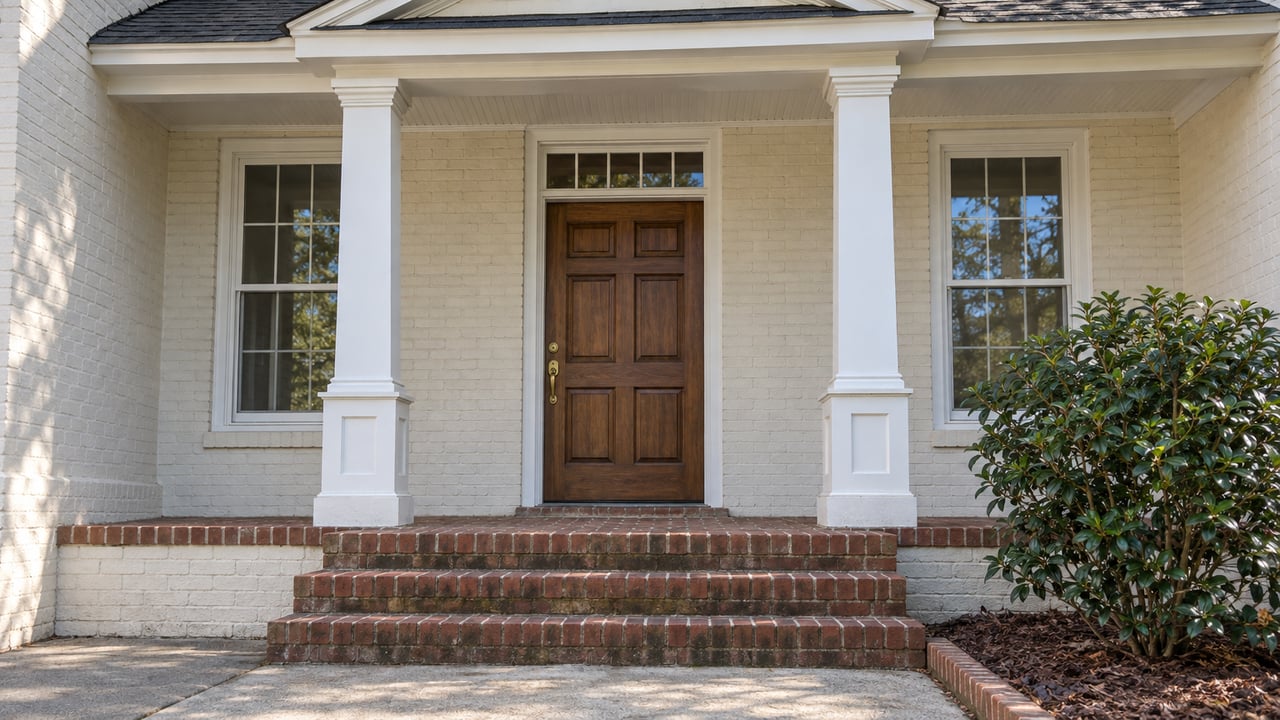
In and around the core, Columbia has many established neighborhoods known for older architecture and a more traditional street grid. Historic Columbia points to neighborhoods such as Elmwood Park, Shandon, Waverly, Hollywood-Rose Hill, Earlewood, Cottontown, Melrose Heights, and Oaklawn as places where Craftsman-inspired homes, bungalows, cottages, and American Foursquares became common.
That history shapes what many buyers see today. In-town housing tends to lean toward renovated older homes, smaller-footprint houses, townhomes, condos, and apartment conversions, especially where adaptive reuse has played a major role.
Suburban homes around Columbia
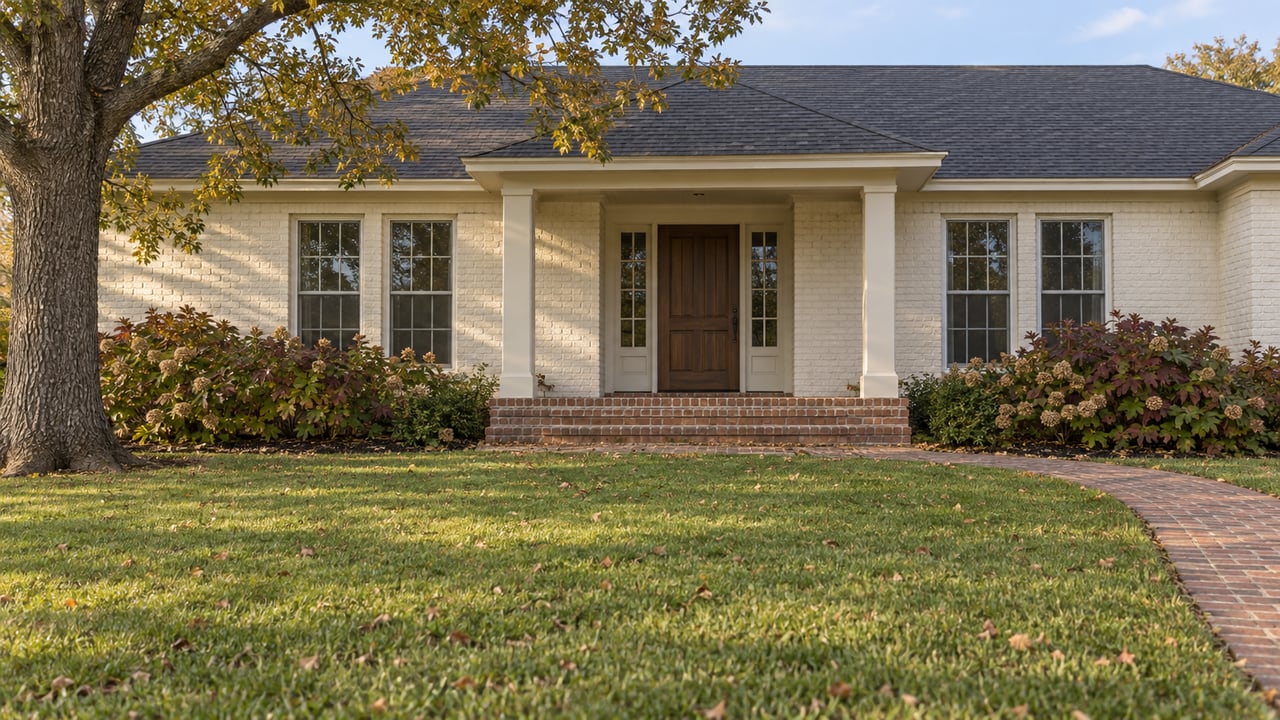
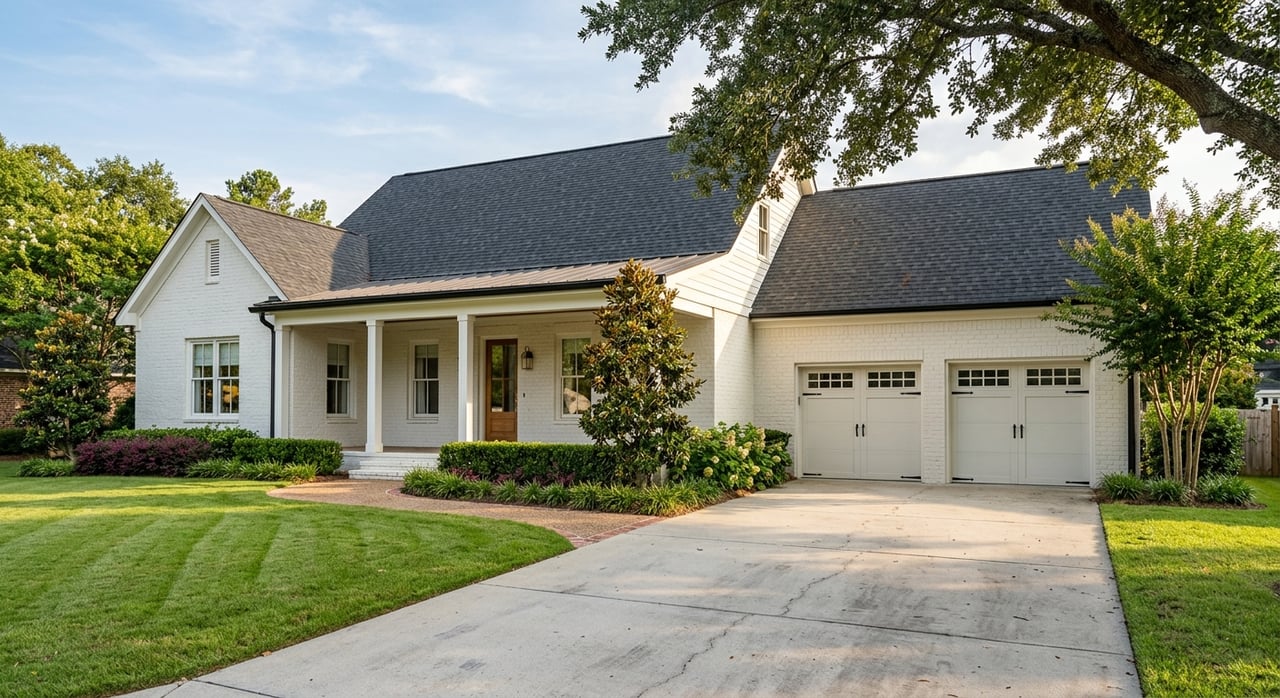
In nearby suburban communities, the pattern usually shifts toward detached single-family homes. Lower-density zoning supports a more spread-out layout, which often gives you more yard space and a little more breathing room from neighboring properties.
If your wish list includes more storage, easier parking, or a home layout that is less tied to shared walls or compact lots, suburban inventory may feel more natural. That does not make it better or worse, just better aligned with a different kind of routine.
Commute and daily logistics
A home can look perfect on paper, but your day-to-day routine is what really determines fit. That is especially true when comparing downtown Columbia with surrounding suburban areas.
Transit and walkability in the core
Downtown Columbia is the most transit-rich part of the metro area. The COMET operates 47 fixed routes, along with ReFlex service, vanpool, ADA paratransit, and the Soda Cap Connector serving downtown destinations like the Vista, Main Street, USC, Cayce and West Columbia, and Segra Park.
The grid also makes some short trips simpler. The city notes that Finlay Park is about a four-minute walk from Main and Blanding, and Route 84 provides service between downtown Columbia and Riverbanks Zoo and Garden.
For buyers who want a better chance at car-light living, this is a real advantage. You may still drive plenty, but the urban core gives you more options for shorter errands and fewer trips that depend entirely on a car.
Driving patterns in the suburbs
Suburban communities around Columbia tend to be more car-first in design. West Columbia’s planning documents describe a pattern of auto-oriented suburban development, and Forest Acres has studied traffic flow along major corridors as part of its planning efforts.
The COMET does offer park-and-ride options along corridors like I-26 and SR-378, but that still reflects a more drive-centered lifestyle. If you are comfortable driving most places and want straightforward road access, the suburbs may suit you well.
Parks, trails, and daily lifestyle
Where you live also shapes how you spend your free time. In Columbia, the choice between city and suburbs often comes down to whether you want urban amenities close together or larger outdoor spaces spread across a wider area.
Urban amenities in and near downtown
The 29201 core offers several major recreational assets close to downtown life. Finlay Park is almost 18 acres and reopened in 2025, Riverfront Park spans about 167 acres with a three-mile trail system, and the Saluda Riverwalk offers a three-mile paved and boardwalk greenway.
These spaces are part of the urban experience rather than separate from it. Downtown Columbia’s planning also highlights streetscapes, the public realm, and neighborhood districts as important assets, which reinforces the idea that city living here is about both housing and surroundings.
Outdoor space in suburban communities
Suburban communities offer a different outdoor mix. Forest Acres highlights tree-lined streets, neighborhood parks, shopping, and dining, while Cayce’s riverfront system includes more than 20 miles of trails, the 12,000 Year History Park, and Congaree Creek Heritage Preserve.
Beyond that, Saluda Shoals Park offers 480 riverfront acres with more than ten miles of trails, plus kayaking, canoeing, fishing, disc golf, and a dog park. Dreher Island State Park adds 348 acres and 12 miles of Lake Murray shoreline for buyers drawn to lake-oriented recreation.
If your ideal weekend includes more expansive green space, river access, or lake days, a suburban home base may align better with how you want to spend your time.
Questions to ask yourself first
If you are still torn, try focusing less on labels like city or suburb and more on what your week actually looks like. The right choice usually becomes clearer when you think about your habits, not just the property itself.
Ask yourself:
- Do you want a home near downtown destinations and a denser street network?
- Do you prefer older architecture, condos, townhomes, or renovated historic homes?
- Would you rather have more yard space and more separation between homes?
- Are you comfortable driving most places, or do you want more transit and walkability options?
- Do you picture your downtime around urban events and parks, or around larger outdoor recreation areas and lake access?
Which home base fits you best?
If your ideal home base is walkable, historic, and close to downtown amenities, the 29201 area and surrounding inner-core neighborhoods are likely the stronger fit. You may enjoy the mix of established character, adaptive reuse, parks, and easier access to transit and short daily trips.
If your priority is a detached home, more yard space, and a more residential pace with car-friendly access to surrounding amenities, the suburbs may make more sense. You may trade some urban convenience for space, parking, and a routine that feels a little more spread out.
The good news is that Columbia gives you strong options on both sides of the equation. Whether you are relocating, moving across town, or refining your next chapter, the best choice is the one that supports your lifestyle from Monday morning through Sunday evening.
If you want help comparing downtown Columbia, close-in neighborhoods, and suburban options around the Midlands, Harcourts Carolinas can help you narrow the search with local insight and a high-touch approach.
FAQs
What does 29201 include in Columbia?
- The 29201 area centers on downtown Columbia and nearby close-in neighborhoods, with the city identifying districts such as Downtown, Vista, Arsenal Hill, Old Shandon, Rosewood, and USC in and around the core.
What types of homes are common near downtown Columbia?
- In-town Columbia often includes renovated older homes, bungalows, cottages, American Foursquares, townhomes, condos, and apartment conversions tied to the area’s historic neighborhoods and adaptive reuse patterns.
What types of homes are common in Columbia suburbs?
- Nearby suburban communities usually lean toward detached single-family homes with lower-density residential patterns, which often means more yard space, more separation between homes, and more room for parking or garages.
Is downtown Columbia easier for transit and short trips?
- Yes. Downtown Columbia has the metro area’s strongest transit network through The COMET, including fixed routes, ReFlex service, and the Soda Cap Connector, and it also supports shorter walking trips in parts of the core.
Do Columbia suburbs offer more outdoor recreation space?
- Many suburban communities offer access to larger outdoor destinations such as extensive trail systems, riverfront parks, and Lake Murray shoreline, while downtown offers parks and greenways integrated into the city setting.
How do I choose between Columbia city living and the suburbs?
- Start with your daily routine, housing preferences, and recreation habits. If you want a denser, amenity-rich setting, the urban core may fit better. If you want more space and a car-centered lifestyle, the suburbs may be the better match.