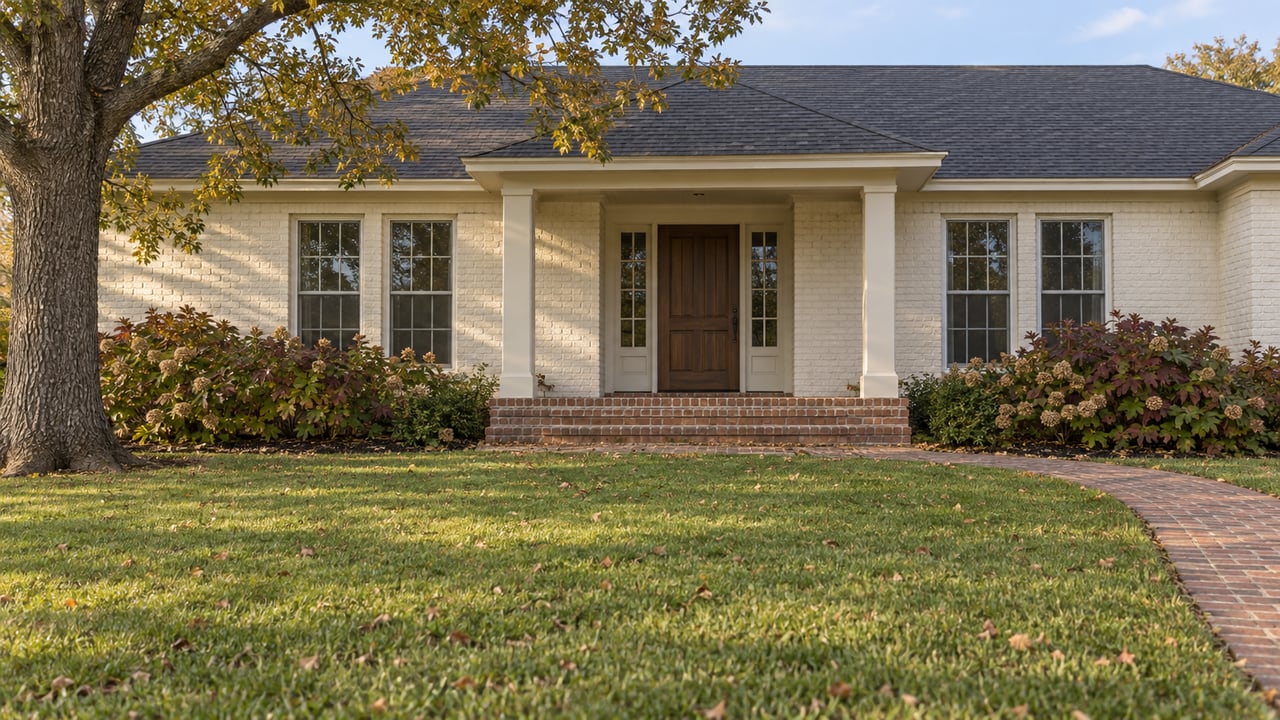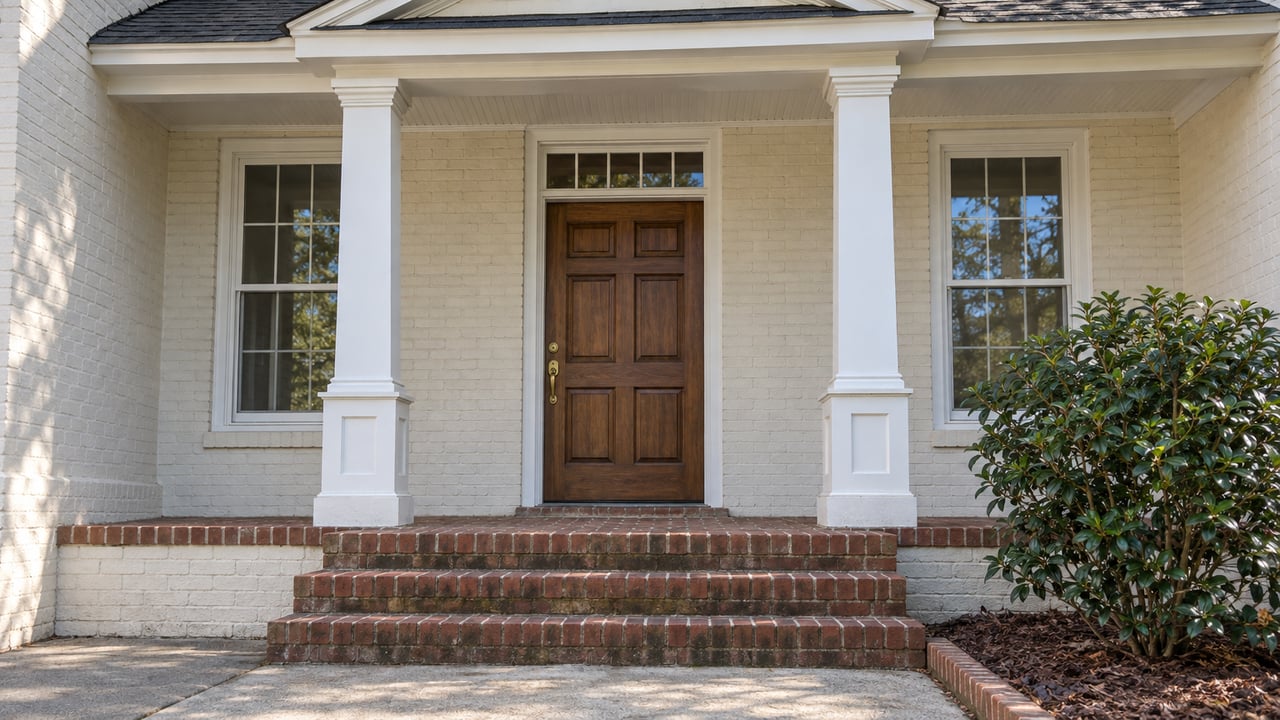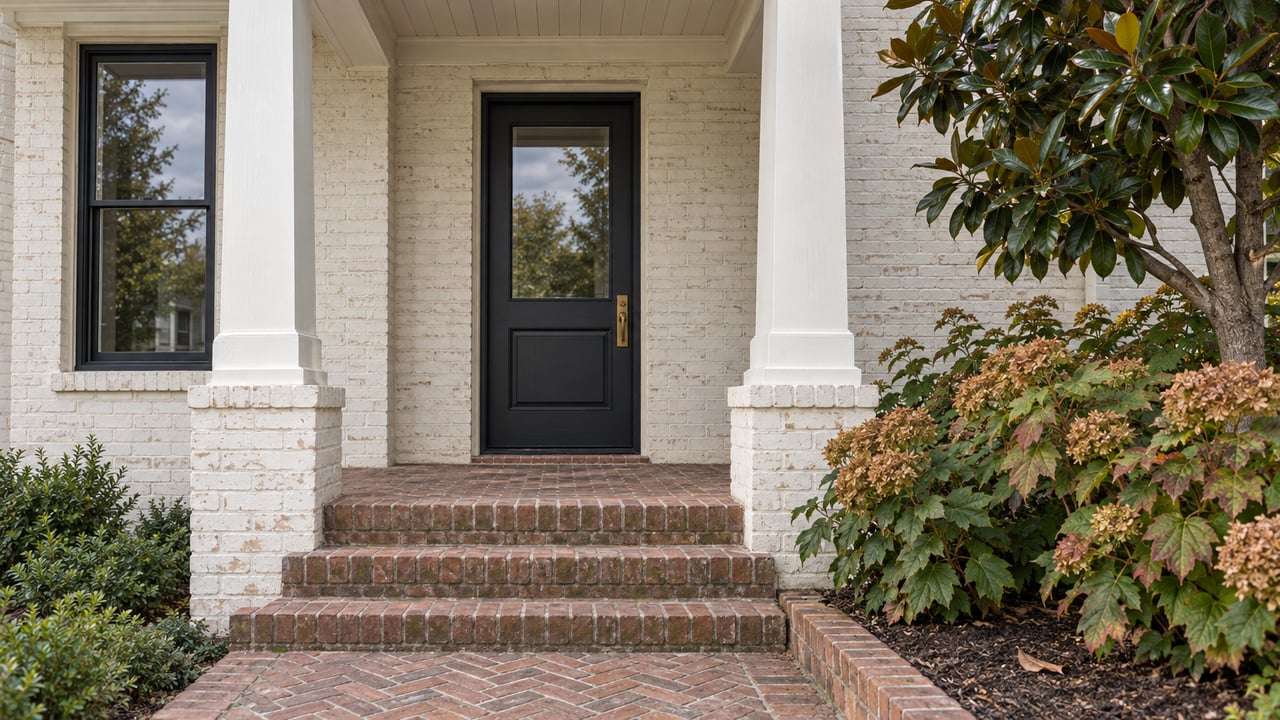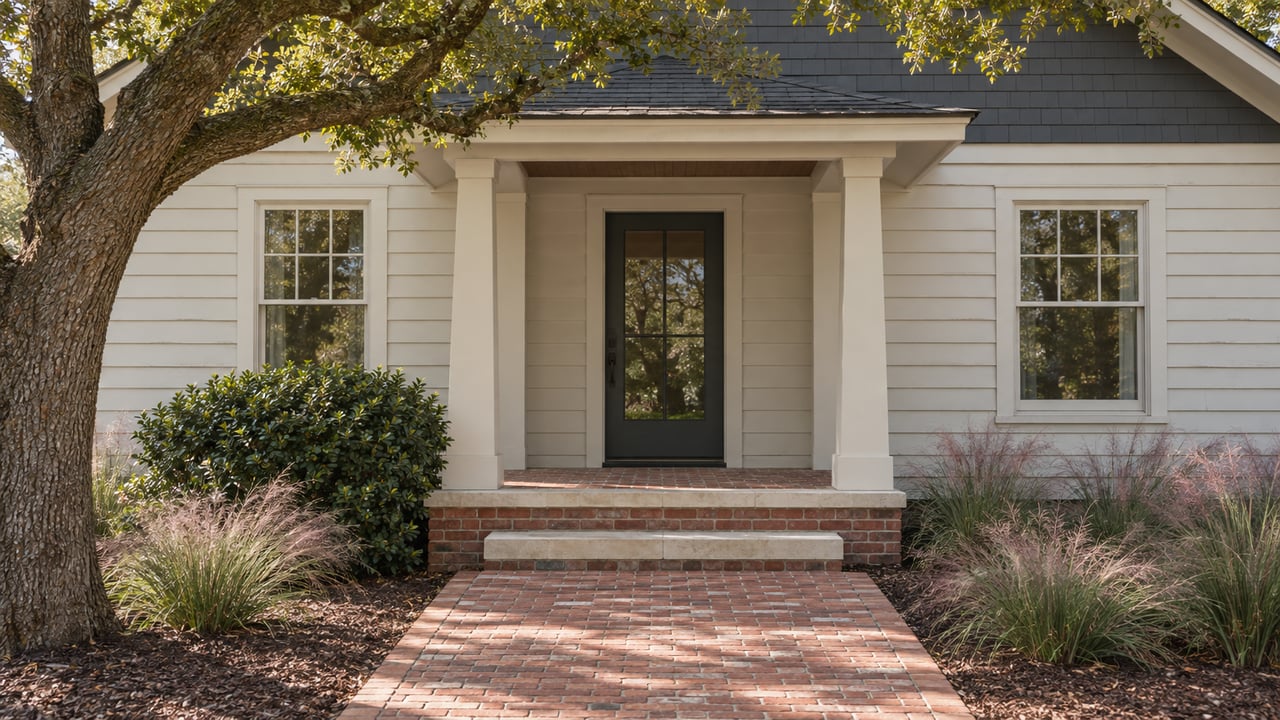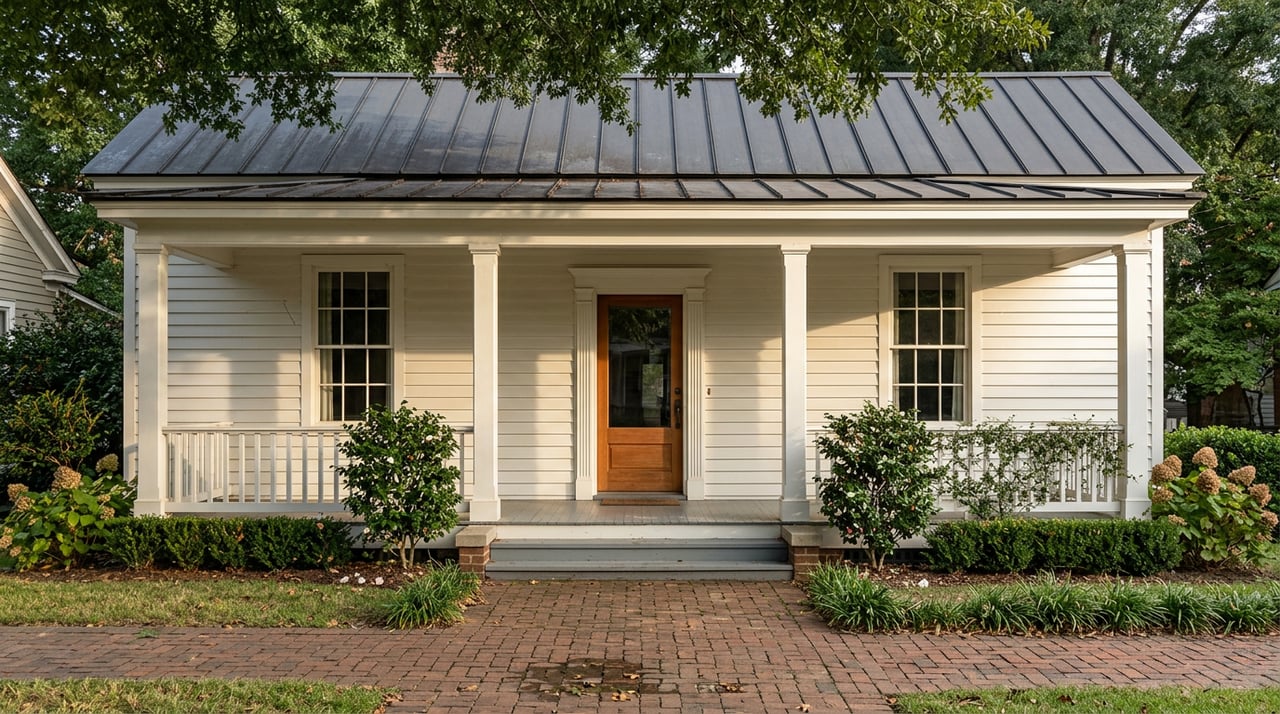
Picture two buyers closing in Camden the same month. One buys a 1920s cottage two blocks off Broad Street and spends the next year restoring it under the review of the city's historic preservation board. The other buys a new build twenty minutes north near Lugoff and moves in the week after closing without another thought about paint colors or window sashes. On the closing statement, the new build looks like the simpler, cheaper-to-own choice.
The property tax bills over the following fifteen years tell a different story. The cottage owner's tax assessment can be frozen at what the home was worth before the renovation, even as its market value climbs because of the work. The new build gets reassessed on the county's normal schedule, like every other property in Kershaw County. That gap, not the purchase price, is the number worth understanding before anyone writes an offer in Camden's historic core.
The mechanism behind the freeze
South Carolina's Bailey Bill lets cities and counties freeze a historic property's assessed value at its pre-rehabilitation level once an owner completes an approved restoration. The incentive looks different from one South Carolina city to the next, as the Municipal Association of South Carolina explains.
Camden City Council adopted its version of the ordinance in 2015. Under Camden's rules, an owner who invests at least 20 percent of a historic property's fair market value in an approved rehabilitation can have the assessed value locked in for 15 years, according to program details maintained by the SC Preservation Toolkit. That's shorter than the 20-year maximum the state statute allows, which the City of Columbia's historic incentives page says Columbia and several other cities use. It's still a decade and a half where the county taxes the property as though the renovation never happened.
The freeze doesn't erase the tax bill. It freezes the base. What doesn't apply is the jump in assessed value that would normally follow a renovation, a reappraisal, or a resale at a higher price. The SC Department of Archives and History describes this as the core function of the law statewide.
Two ways to own a Camden home priced the same on day one
| Restored historic home, Bailey Bill approved | New construction, standard assessment | |
|---|---|---|
| Assessed value after purchase | Frozen at pre-rehab fair market value for 15 years | Reassessed on the county's normal cycle |
| Tax exposure from added value | None during the freeze | Full exposure as market value rises |
| Qualifying step | 20% of fair market value spent on approved rehab | None required |
| Who reviews the project | Camden Historic Landmarks Commission | Kershaw County Assessor's Office |
The table doesn't predict what either home will be worth in ten years. It shows which owner's tax bill tracks that rising value and which one doesn't, for as long as the freeze runs.
Two Broad Street buildings connected to the Bailey Bill
This isn't a theoretical incentive. In 2023, the owner of 1113 and 1115 Broad Street, the former Blake & Ford building near the Kershaw County Courthouse, applied for Bailey Bill approval on a rehabilitation project there. If approved, the project would freeze the city's assessed value on the property for 15 years and prevent increases in property taxes caused by a higher assessed value during that span, as reported by the Chronicle-Independent. The building had previously been home to DeLoache Motor Company.
A few blocks away at 1025 Broad Street, the building built as the First National Bank of Camden at the start of the 20th century had sat with bricked-in windows and a failing roof for decades before Wes and Laurie Parks bought it in 2019. Their renovation turned it into a self-serve wine bar, office space, and apartments, using a combination of tax tools that included both the Bailey Bill and the state's Abandoned Buildings Revitalization Act, according to reporting from the Municipal Association of South Carolina.
Both of those examples are commercial buildings. Camden's Historic District carries National Register status across a mix of Federal, Classical Revival, cottage-type, Georgian, and Charleston-type houses, and several of the district's buildings were designed by Robert Mills, the architect who later designed the Washington Monument, per the National Register listing.
What the Historic Landmarks Commission actually reviews
Not every project needs a hearing. In a report earlier this year, the Municipal Association of South Carolina quoted Camden's Director of Planning and Development, Shawn Putnam, explaining how the city's design review process works: "If it's a project that can be seen from the street and is not general maintenance, it has to be approved by the commission, otherwise it can be approved at the staff level."
For anyone planning a Bailey Bill-qualifying rehab, the practical sequence looks like this:
- Submit any exterior work, addition, or change visible from the street to the Historic Landmarks Commission for review against the city's design guidelines.
- Complete the qualifying work and document that spending reached at least 20 percent of the property's fair market value.
- Keep every invoice and permit. The freeze runs 15 years
The Commission is an active body, not a dormant one. Its published 2026 calendar shows a meeting on August 11, one day after this was written, alongside a monthly cadence running through December, according to the city's own commission page.
Why the timing matters right now
Downtown Camden is in the middle of a visible push. The clock tower that survived the demolition of the city's 19th-century opera house is now being converted into a boutique hotel, a project Putnam said in a February 2026 update was under construction with completion expected by late 2026. New businesses followed a similar wave the summer before: Broad Street added 1786 Steakhouse, Specter Games, and Party Barn Play Adventure in the summer of 2025, and restaurateur Scott Edwards, who already owned B. Colson's and Haile Street Grill downtown, opened a third restaurant that same summer showcasing Italian cuisine, according to WLTX's reporting.
Putnam has been direct about why projects like these work financially at all. In a separate interview about the city's push to fill downtown storefronts, he said: "We've helped business owners package federal and state tax incentives together to make projects more realistic," as reported by WLTX. The Bailey Bill is one of the tools in that package.
For a homeowner, the timing works the same way in reverse. As downtown activity increases, market values in the historic core tend to reflect that demand in resale comps. Every dollar of appreciation that shows up in a comp doesn't touch a Bailey Bill property's tax bill until the freeze expires. The gap between what a home is worth and what it's taxed on can widen fastest during the years when a downtown is having its moment, which is what Broad Street is having now.
What this doesn't cover
The incentive has limits worth knowing before it factors into an offer. Lenders often view historic homes as carrying more maintenance risk, which typically pushes financing toward conventional loan products rather than low down payment programs, a detail that matters when the same buyer also needs cash on hand to clear the 20 percent rehabilitation spend. If the home under consideration has already been restored, ask when the city certified the rehabilitation and how many years remain on the freeze
A few questions worth asking before you assume the incentive applies
Does the Bailey Bill reduce property taxes to zero? No. It freezes the assessed value used to calculate the bill at the pre-rehabilitation level.
What should I confirm if the home sells partway through the freeze? The remaining term and any conditions are details worth confirming directly with the city's planning department rather than assuming from the listing.
Can this apply to a home outside the immediate downtown blocks? Confirm with the planning department before assuming an older home nearby qualifies just because it looks the part.
If you're weighing a restoration project in Camden's historic district against building new elsewhere in the Midlands, the tax mechanics above are only one piece of a bigger comparison that includes financing, timeline, and what the Commission will and won't approve for your specific address. We've also put together a broader look at what it's like to buy in Camden's historic core and horse country if you're still narrowing down which part of town fits.
For a conversation specific to your address, timeline, and the Bailey Bill math that applies to it, Harcourts Carolinas can walk through the numbers with you. Request a home valuation or schedule a consultation, and we'll help you figure out what a Camden restoration actually costs to own, not just to buy.
This article is general information, not legal, tax or financial advice. Consult a qualified professional about your situation.